Key Takeaways
- Gentle movement helps reduce back pain more than staying still.
- Simple exercises can be done in your apartment with no special equipment.
- Start slowly and listen to your body’s signals.
- Strengthening your core and leg muscles supports your back.
- Senior living communities offer safe spaces and professional guidance for staying active.
Simple Exercises for Lower Back Pain
Your lower back shouldn’t dictate how you spend your day. When that familiar ache creeps in as you get up from your favorite chair or bend down to pick something up, it’s natural to want to move less. But here’s what many people don’t realize: the right kind of gentle movement can actually help reduce your discomfort.
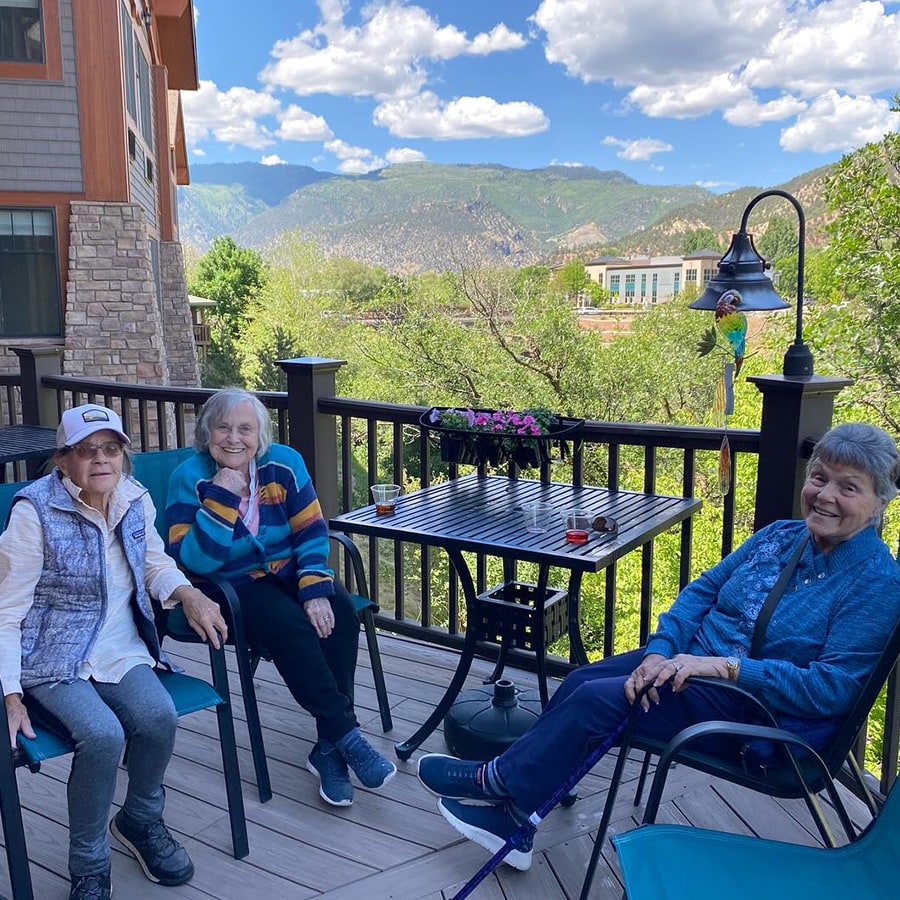
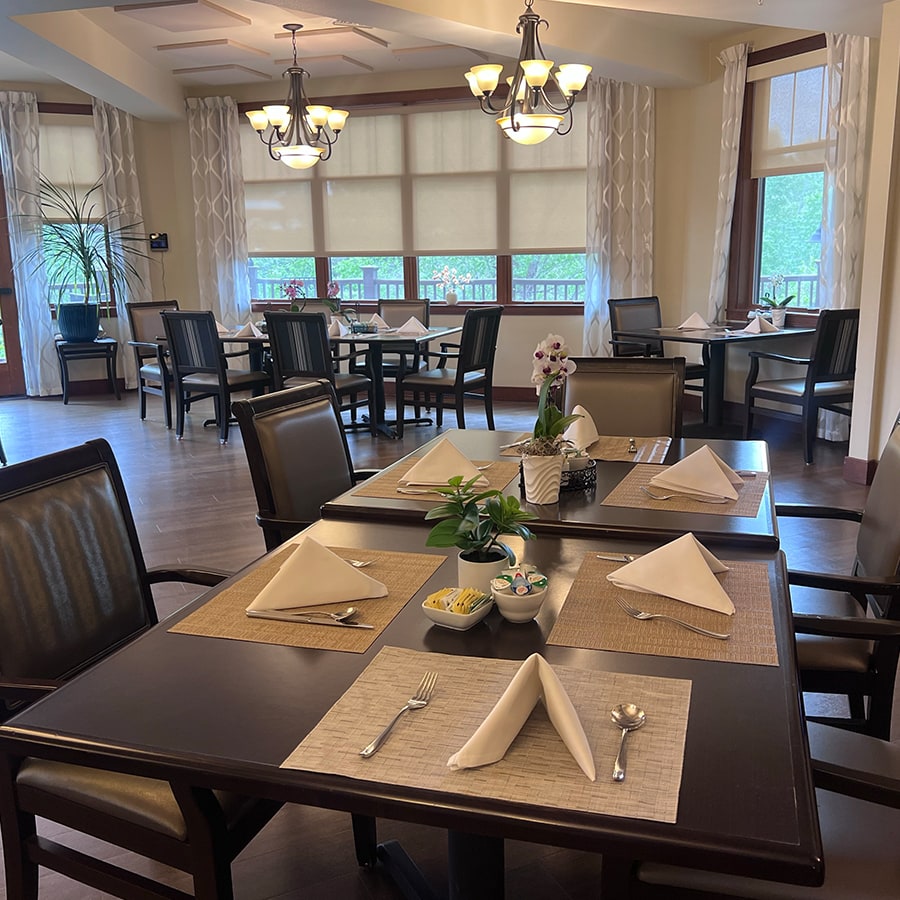
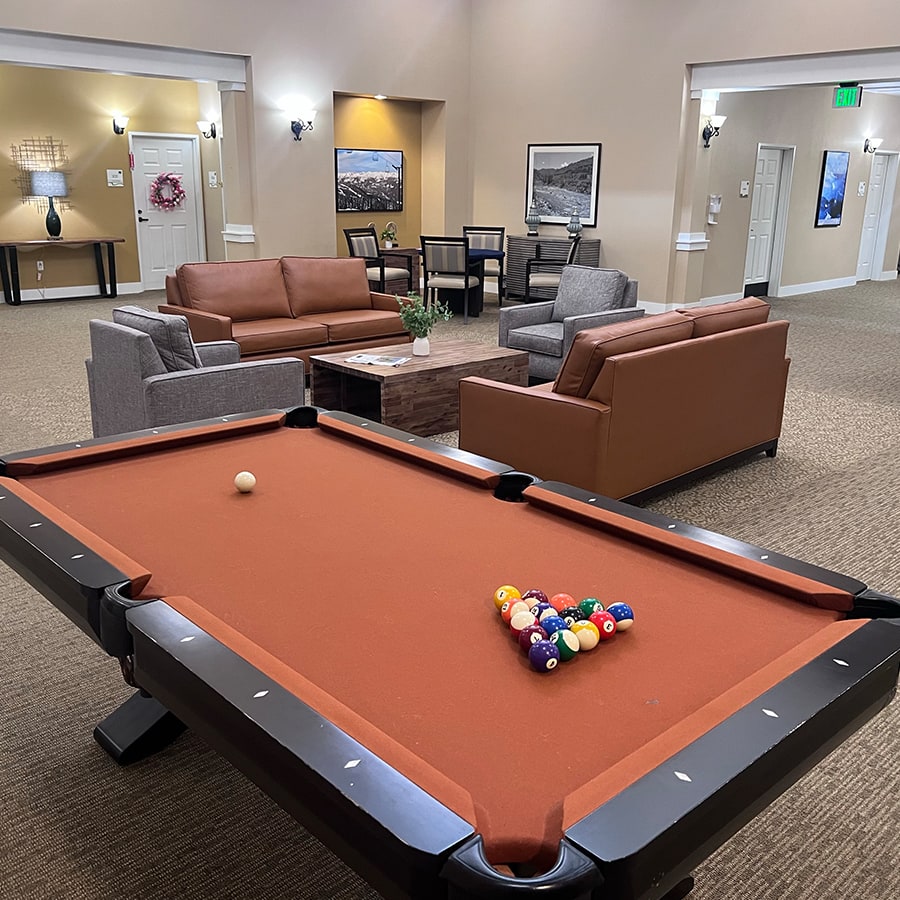
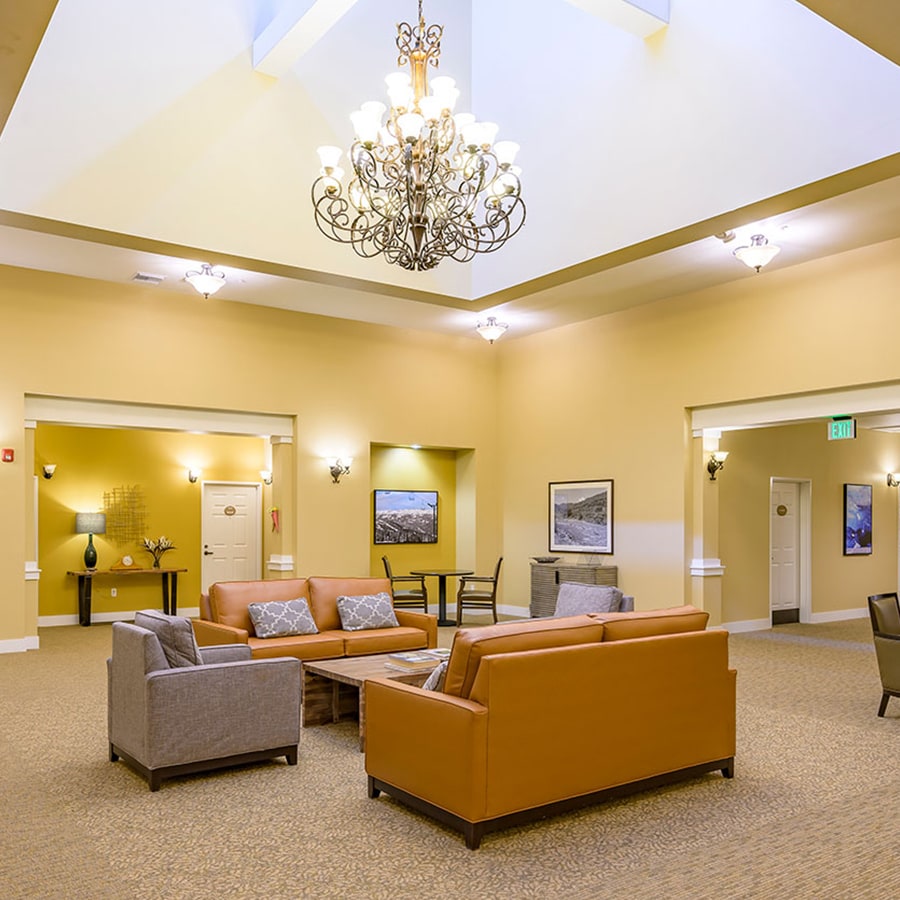
Simple, targeted exercises can help strengthen the muscles that support your spine and improve flexibility, often leading to less pain and better mobility throughout your day. You don’t need a gym membership or complicated equipment—many of the most helpful movements can be done right in your apartment at Roaring Fork Senior Living or through the guidance of assisted living programs that prioritize your wellness.
Why Lower Back Pain Happens as You Age
Your spine goes through natural changes over the years. The discs between your vertebrae can become thinner, and the muscles that support your back may weaken without regular use. This isn’t something to fear — it’s simply part of aging that you can address with the right approach.
When you move less because of discomfort, your muscles can become even weaker and tighter. This creates a cycle where less activity leads to more stiffness. Many adults over 65 experience this pattern, but you can break it with gentle, consistent movement.
Common causes include prolonged sitting, prior injuries that have healed but left muscles imbalanced, or infrequent use of your back muscles. The good news is that movement becomes your ally when you choose the right activities.
Safe Exercise Tips Before You Start
Talk with your doctor about which activities work well for your specific situation. They know your health history and can guide you toward the safest options. This conversation helps you feel confident as you begin.
Start with just a few minutes of gentle movement and gradually increase as your body adapts. Your muscles need time to remember how good it feels to move freely. Listen to your body — you should feel like you’re working your muscles, but sharp or shooting pain means it’s time to stop and rest.
The difference between good muscle work and harmful pain is important to recognize. A gentle stretch or mild muscle fatigue is normal, but any sudden, intense discomfort means you should pause and reassess.
Gentle Stretches to Ease Back Tension
Knee-to-Chest Stretch
Lie on your bed with your knees bent and feet flat. Gently pull one knee toward your chest with both hands, holding for 15-30 seconds. You’ll feel a gentle stretch in your lower back and hip. Repeat with the other leg, then try pulling both knees up together.
Start with holding each stretch for 15 seconds and work up to 30 seconds as it becomes more comfortable. Repeat this sequence 2-3 times whenever your back feels tight.
Seated Spinal Twist
Sit in a sturdy chair with your feet flat on the floor. Place your right hand on the back of the chair and gently turn your upper body to the right, looking over your shoulder. Hold for 15 seconds, then repeat on the left side.
This movement helps loosen tight muscles along your spine without putting pressure on your joints. You can do this stretch several times throughout the day, even while watching television or chatting with friends.
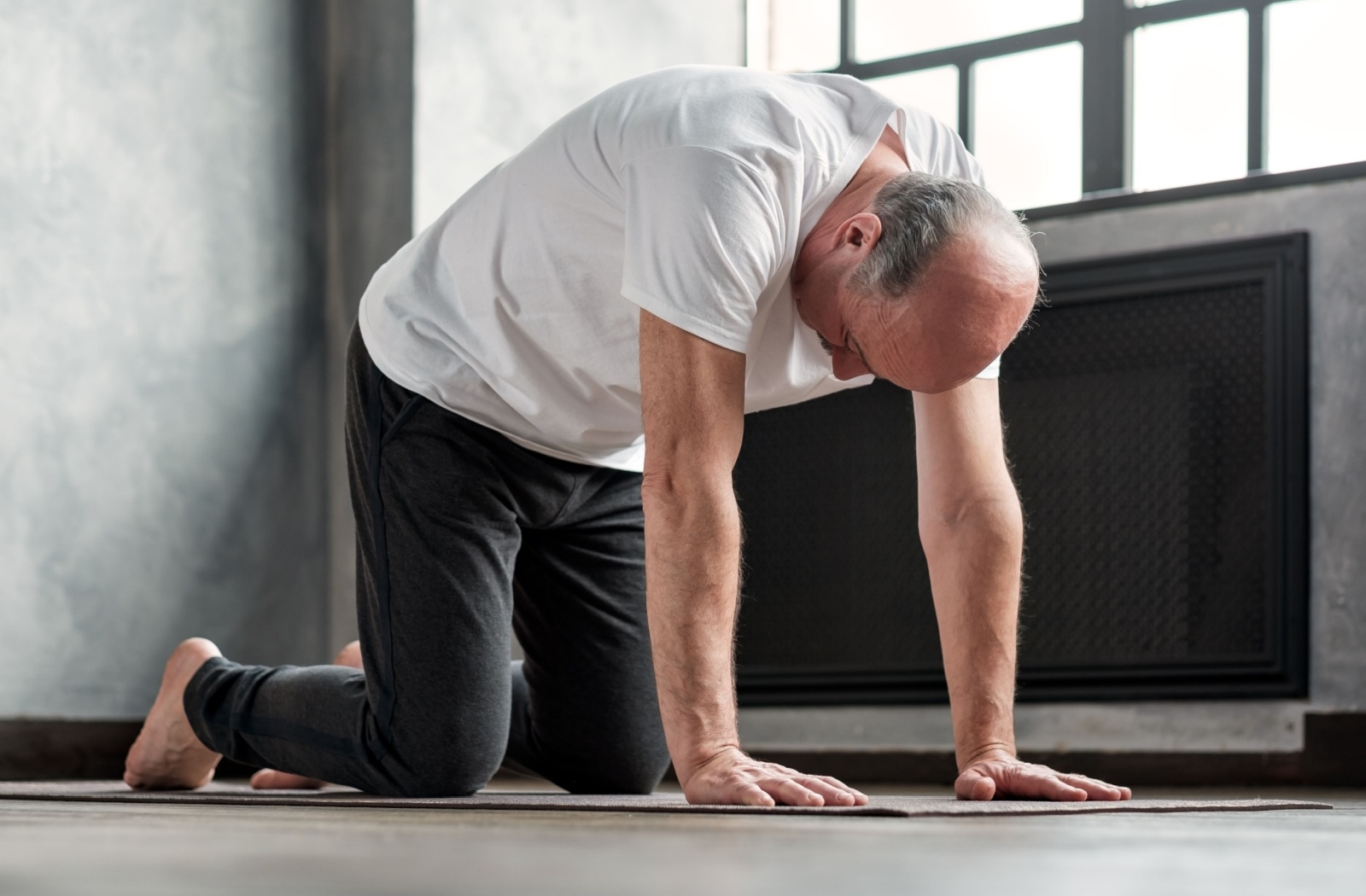
Cat-Cow Stretch on Hands and Knees
If getting on the floor feels comfortable, start on your hands and knees. Slowly arch your back like a stretching cat, then gently reverse the curve. If floor exercises feel challenging, you can do a modified version sitting in a chair by simply arching and rounding your back.
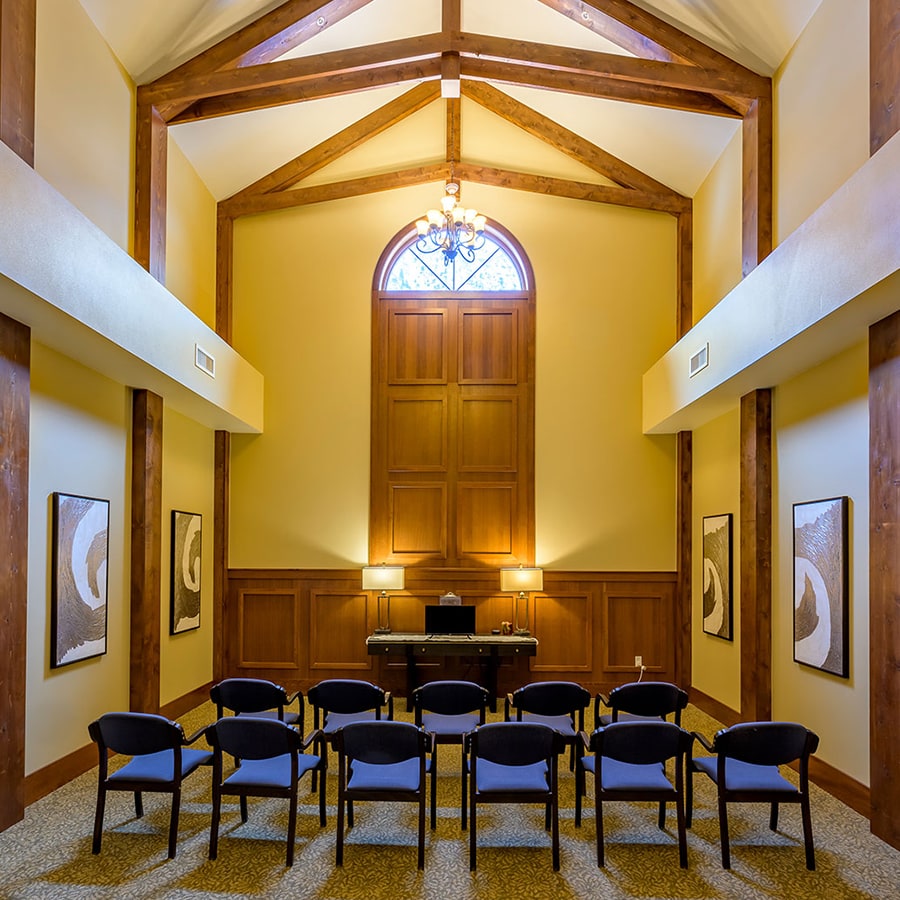
This movement improves flexibility in your entire spine and helps reduce stiffness. Move slowly and smoothly—there’s no rush. Communities offering independent living often provide comfortable spaces where you can practice these movements safely.
Strength Moves That Support Your Back
Wall Push-Ups
Stand arm’s length from a wall and place your palms flat against it at shoulder height. Slowly push away from the wall and return to the starting position. This builds strength in your arms, shoulders, and core muscles.
Strong arm and shoulder muscles help support your posture throughout the day, which reduces strain on your lower back. Start with 5-10 repetitions and gradually increase as you feel stronger.
Seated Leg Extensions
Sit in a chair and slowly straighten one leg in front of you, hold for a few seconds, then lower it back down. This simple movement strengthens the muscles in your thighs, which help support your spine when you walk and stand.
You can do this exercise while socializing with neighbors or during your favorite TV show. Start with 5 extensions on each leg and build up gradually. Senior-friendly workout routines can provide more structured guidance for additional exercise ideas tailored to different fitness levels.
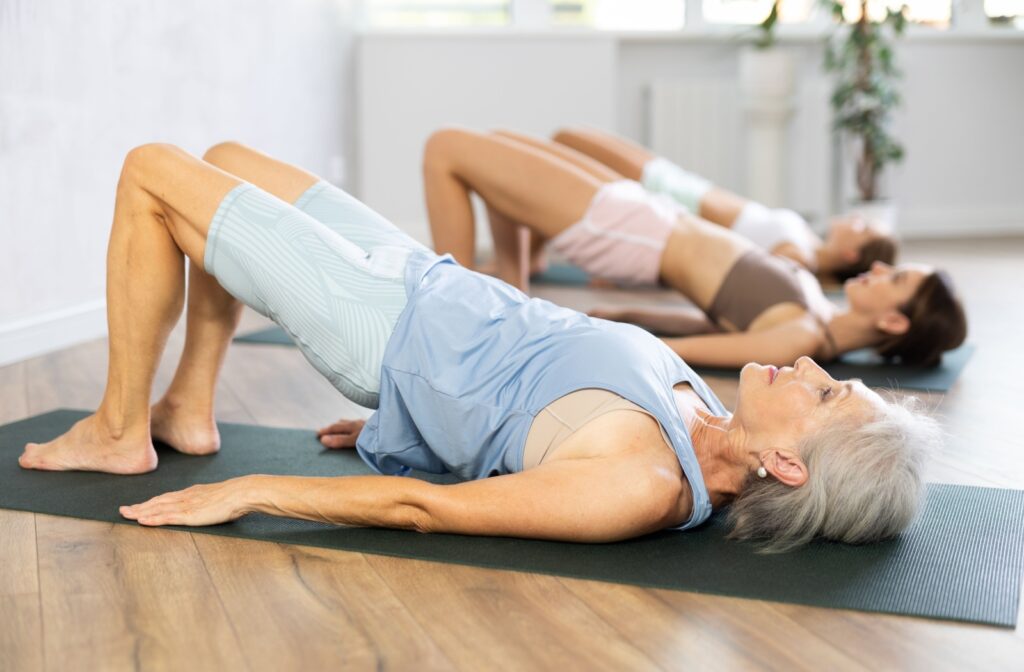
Hip Bridges
Stand behind a sturdy chair, holding the back for balance. Squeeze your glute muscles and gently push your hips forward slightly, then return to the starting position. This strengthens your glutes without requiring you to get down on the floor.
Strong glute muscles act like a natural support belt for your lower back. When these muscles work properly, they take pressure off your spine during daily activities.
Stay Active, Supported, and Inspired at Roaring Fork Senior Living
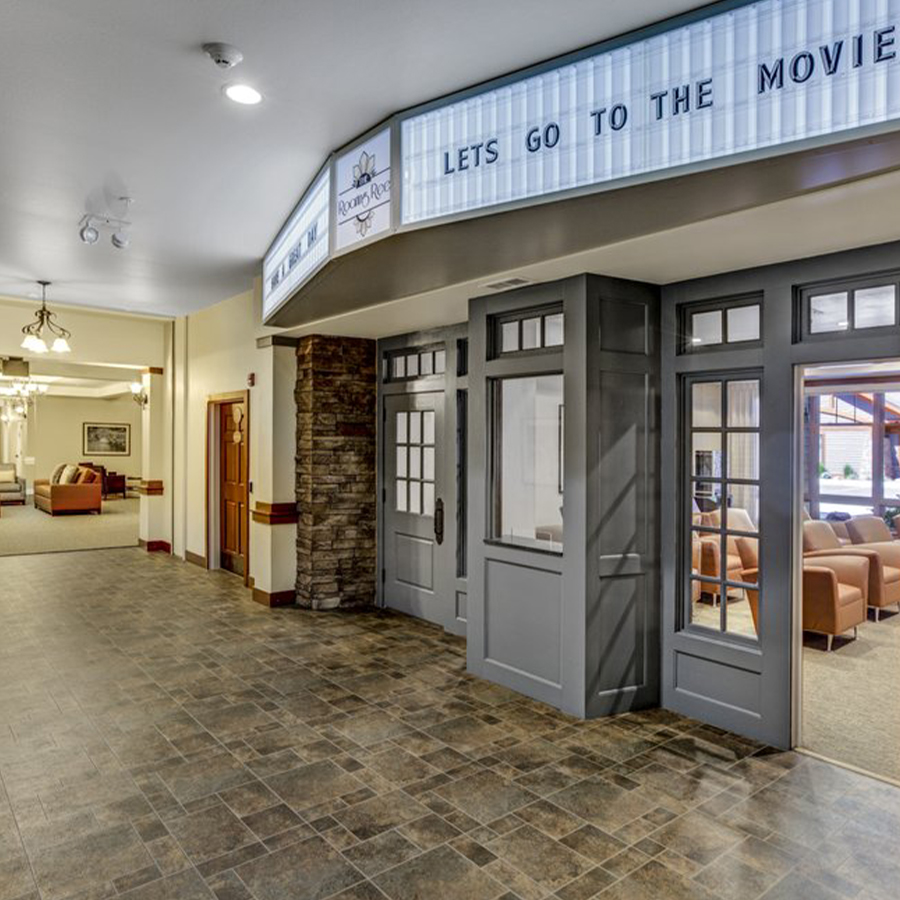
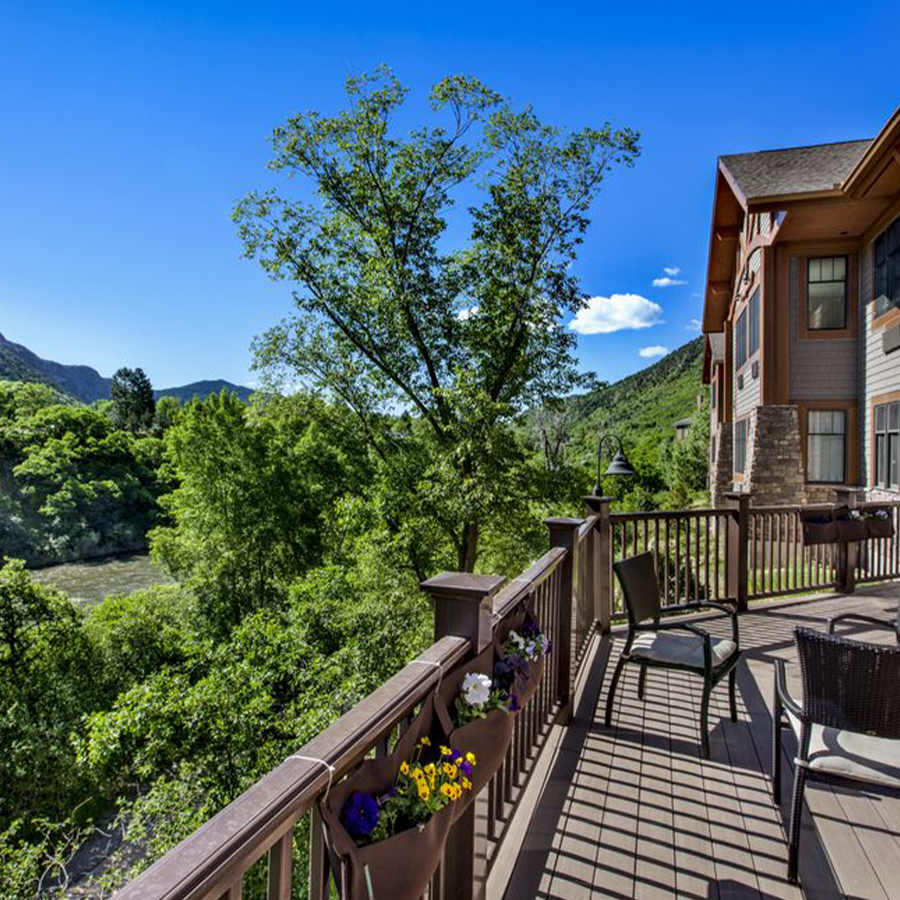
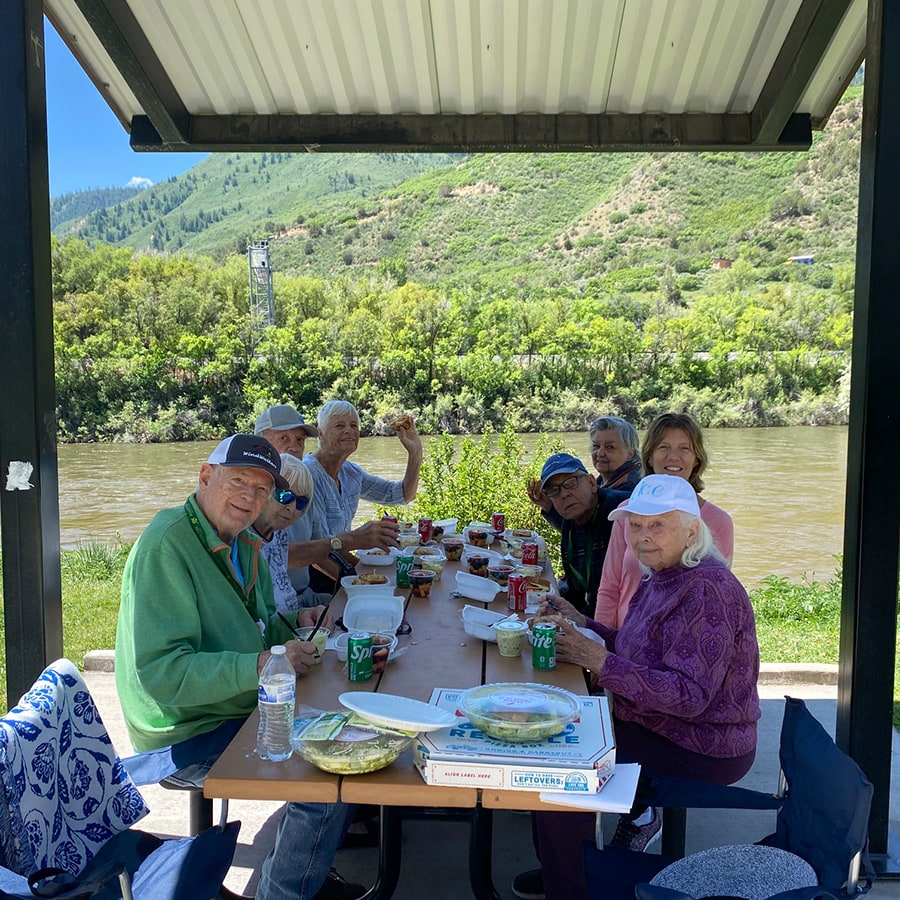
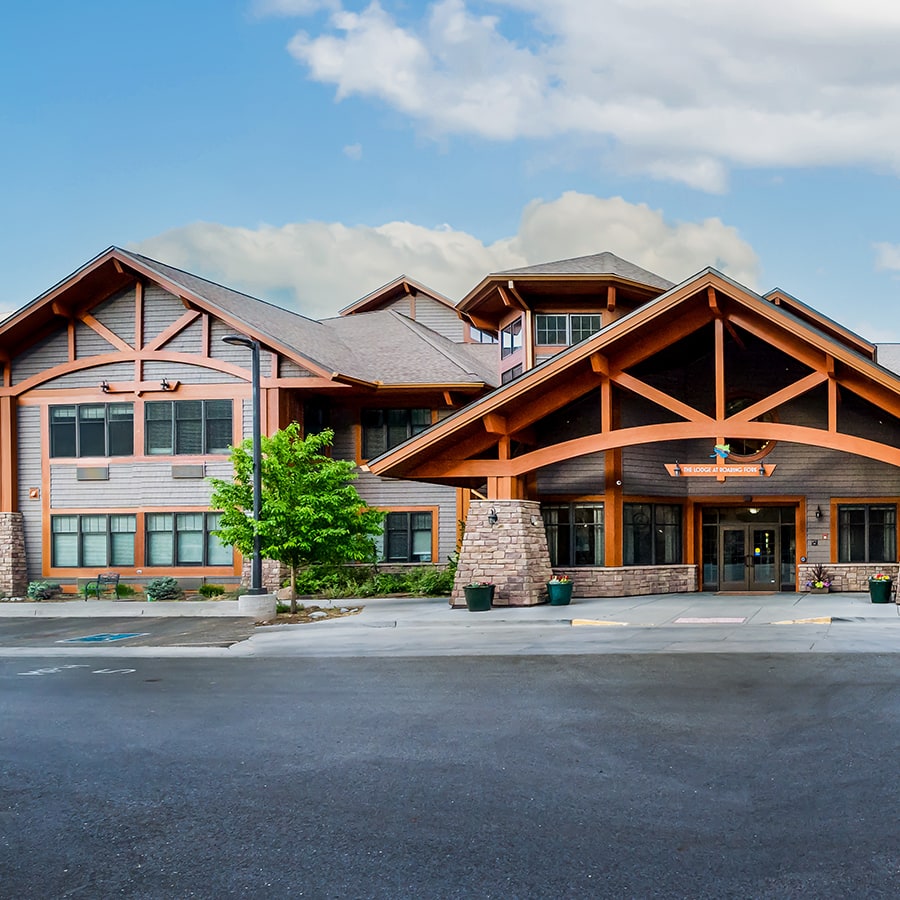
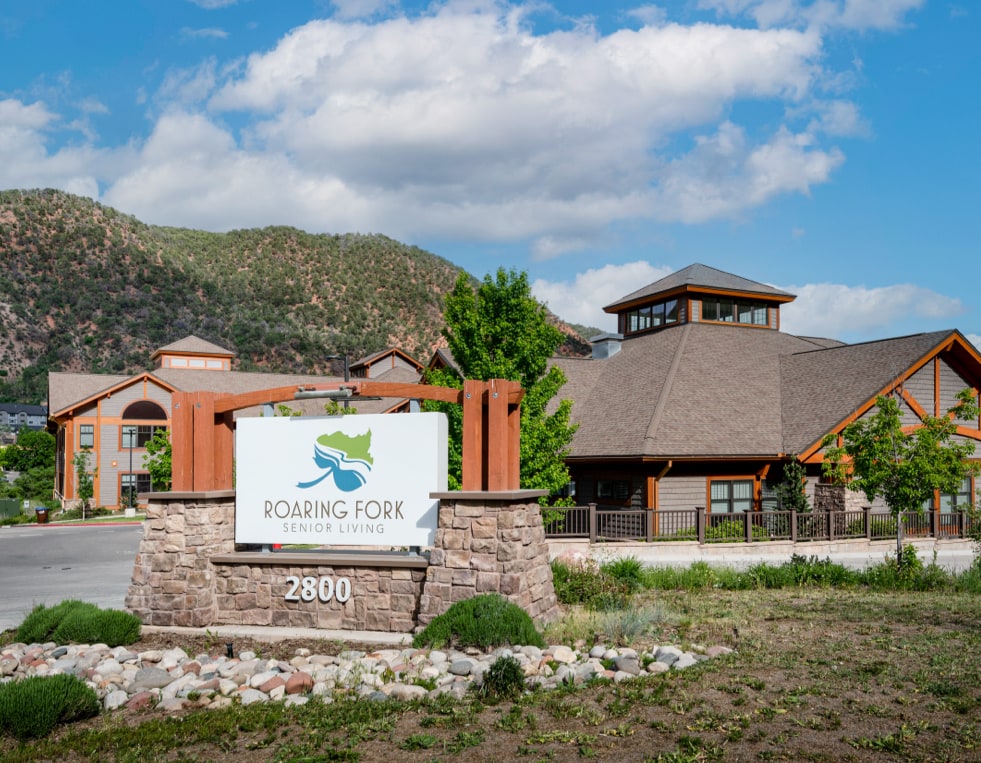
At Roaring Fork Senior Living in Glenwood Springs, the focus is on helping you maintain the active lifestyle you enjoy while providing support when you need it. If you’d like to learn more about how a senior living community can support your wellness goals, consider scheduling a tour to see how the right environment can make staying active feel natural and enjoyable.