Key Takeaways
- Strength training after 70 helps build stronger bones, improve balance, and boost energy for daily activities.
- Start safely by consulting your doctor and beginning with simple chair exercises or light resistance bands.
- Senior living communities offer professional guidance, group classes, and supportive environments for fitness goals.
- Common concerns about injury or being out of shape shouldn’t stop you from taking small, manageable steps forward.
Why Starting Strength Training After 70 Makes Sense
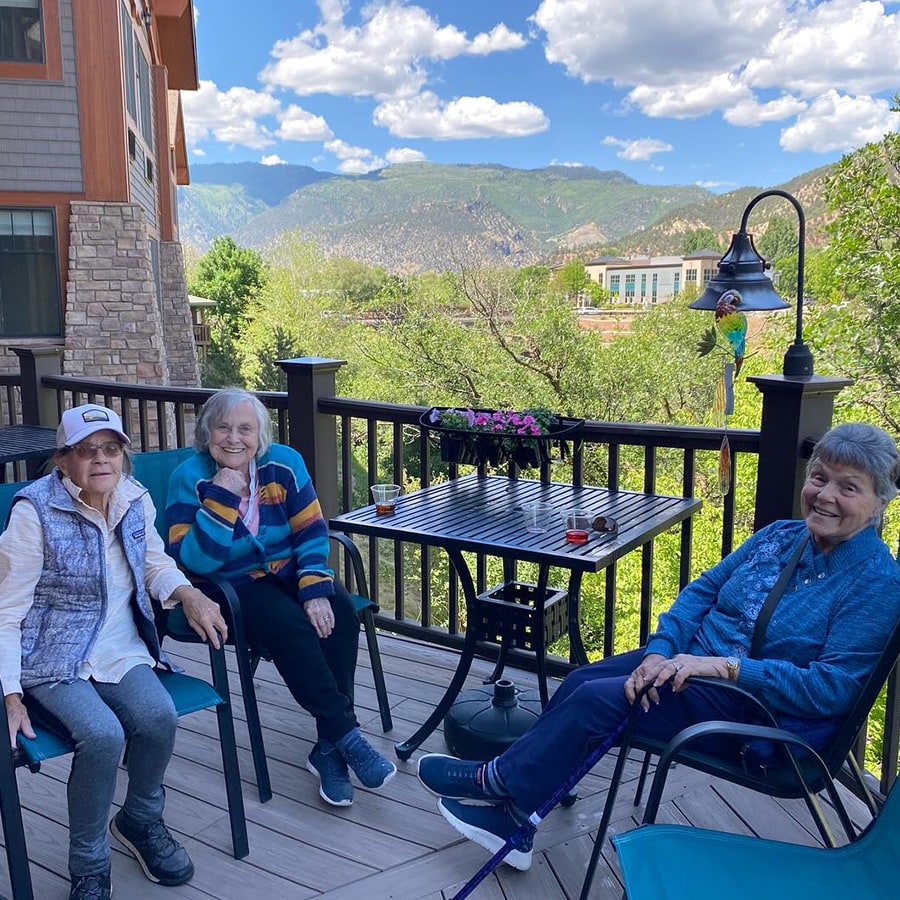
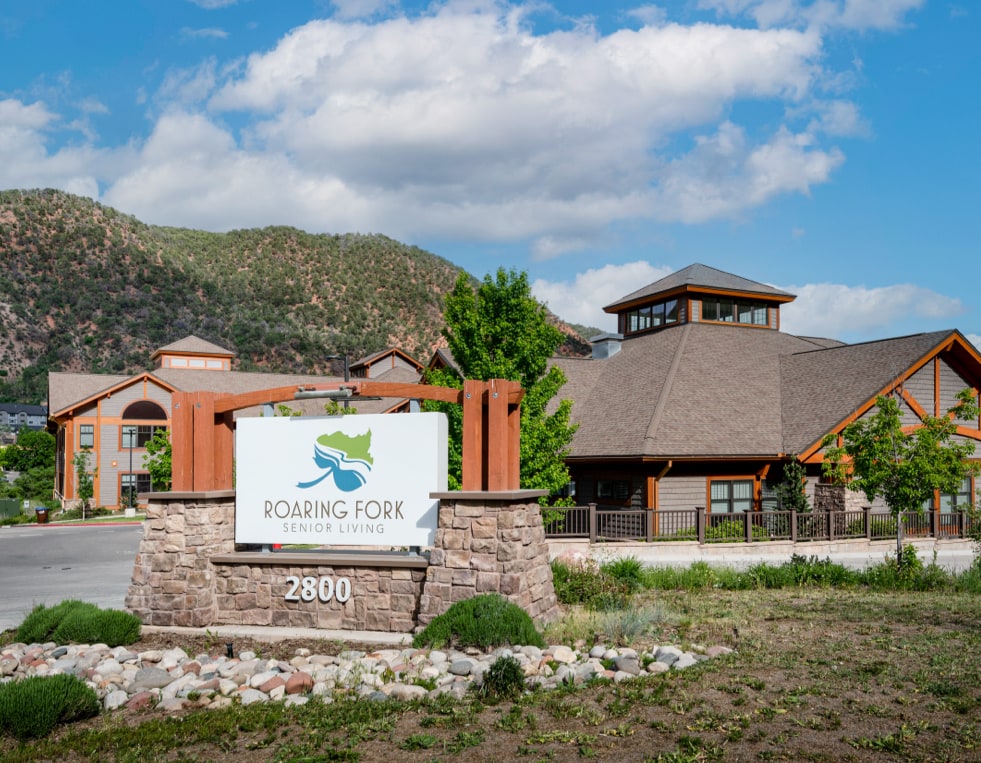
You might think strength training is only for younger people, but that couldn’t be further from the truth. Your body can respond positively to resistance exercise at any age, and the benefits become even more meaningful as you get older. At Roaring Fork Senior Living, we see firsthand how residents who engage in regular physical activity maintain greater independence and vitality.
Strength training after 70 can help you maintain independence, reduce fall risk, and give you more energy for the activities that bring you joy.
Whether you’ve never lifted a weight before or you’re returning to exercise after years away, your muscles and bones can still adapt and grow stronger with consistent, gentle training. Independent living becomes more sustainable when you maintain your physical strength and mobility.
What Strength Training Can Do for You After 70
The changes you’ll notice from regular strength training go far beyond just feeling stronger. Your bones become denser when you challenge them with resistance exercises, which helps protect against fractures. This bone-building effect is particularly important since bone density naturally decreases with age.
You’ll also find that balance and coordination improve as your muscles learn to work together more effectively. Simple tasks like getting up from a chair, climbing stairs, or carrying groceries become easier and more comfortable. Many people discover they have more energy throughout the day because their bodies work more efficiently.
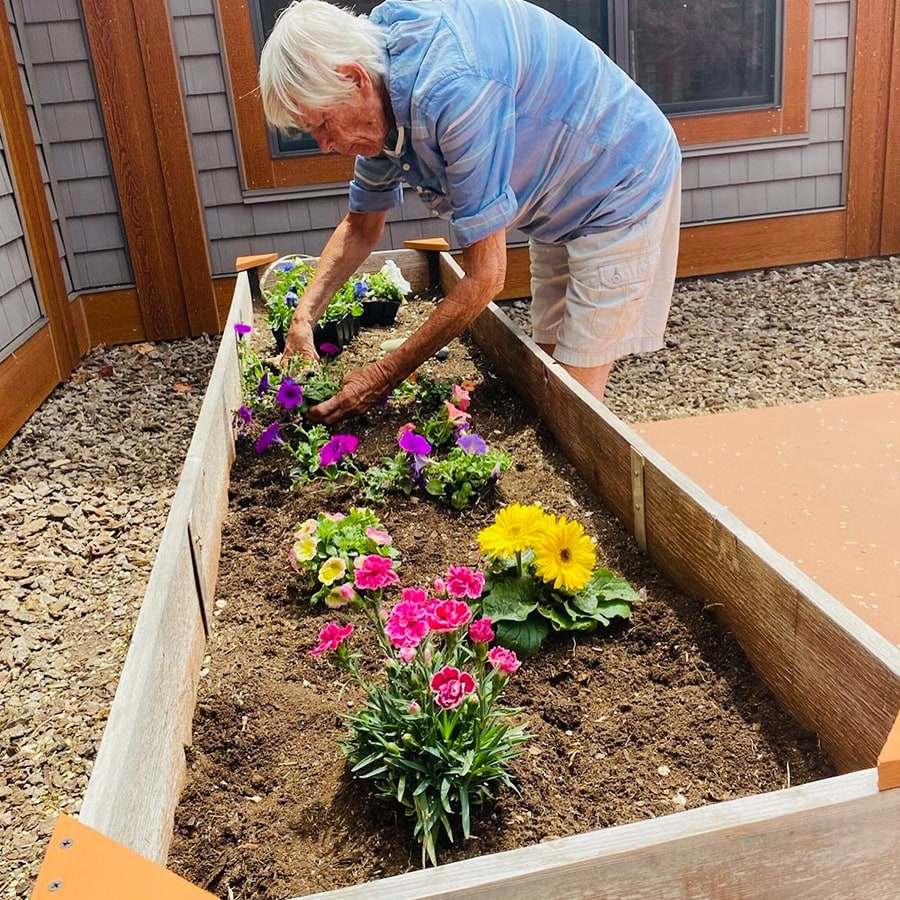
Perhaps most importantly, you’ll maintain your ability to do the things you love, whether that’s gardening, playing with grandchildren, or exploring new places. Strength training helps preserve the functional movement patterns you use every day.
Simple Ways to Get Started Safely
Talk with Your Doctor First
Before you begin any new exercise program, schedule a conversation with your healthcare provider. Share what you hope to accomplish and any concerns you might have about starting strength training. Your doctor can review your current medications and health conditions to help you exercise safely.
This discussion also gives you a chance to set realistic expectations. Your doctor might suggest modifications based on your individual health profile or recommend specific types of exercises that work well for your situation.
Begin with Basic Movements
You don’t need a gym membership or heavy weights to start building strength. Chair exercises like seated leg extensions or arm raises work well for beginners. Wall push-ups are gentler on your joints than floor push-ups but still challenge your upper-body muscles.
Light weights, resistance bands, or even water bottles can provide enough resistance to stimulate muscle growth. Start with short 10-15 minute sessions 2-3 times per week. Your muscles need time to recover between workouts, especially when you’re just beginning.
How Senior Living Communities Support Your Fitness Goals
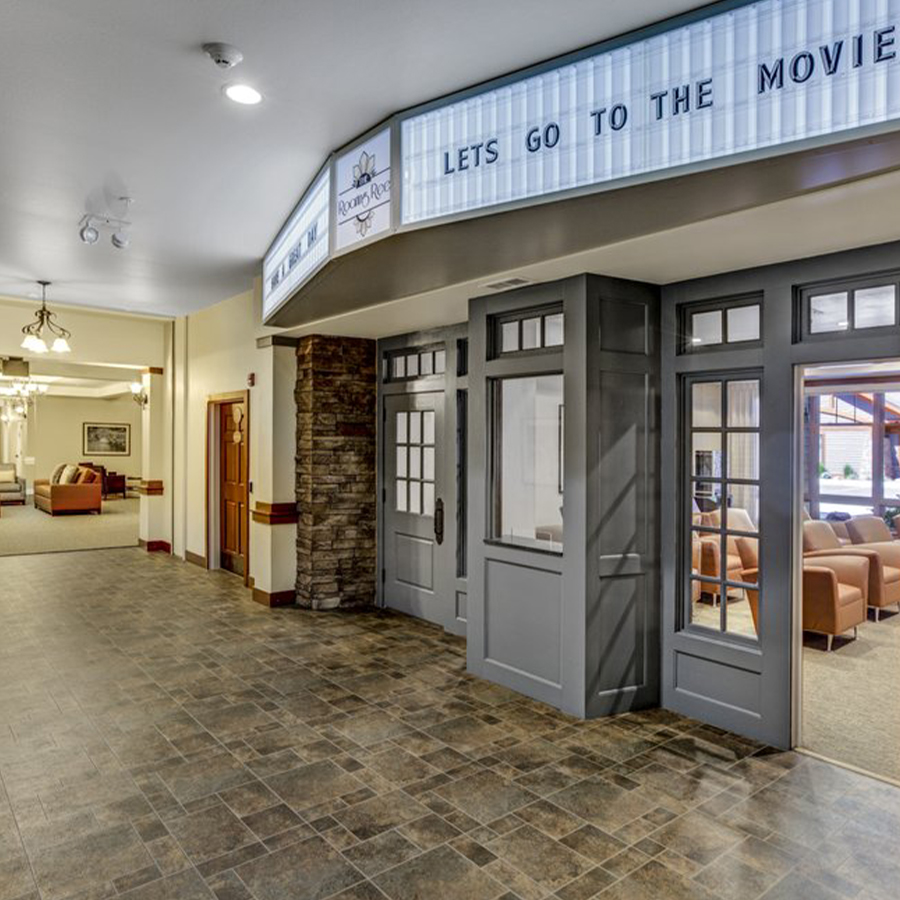
Many senior living communities recognize the importance of staying active and offer comprehensive wellness programs. You’ll often find fitness equipment designed specifically for older adults, along with spaces for group exercise classes and individual workouts. Assisted living communities often provide structured fitness programs that accommodate various ability levels.
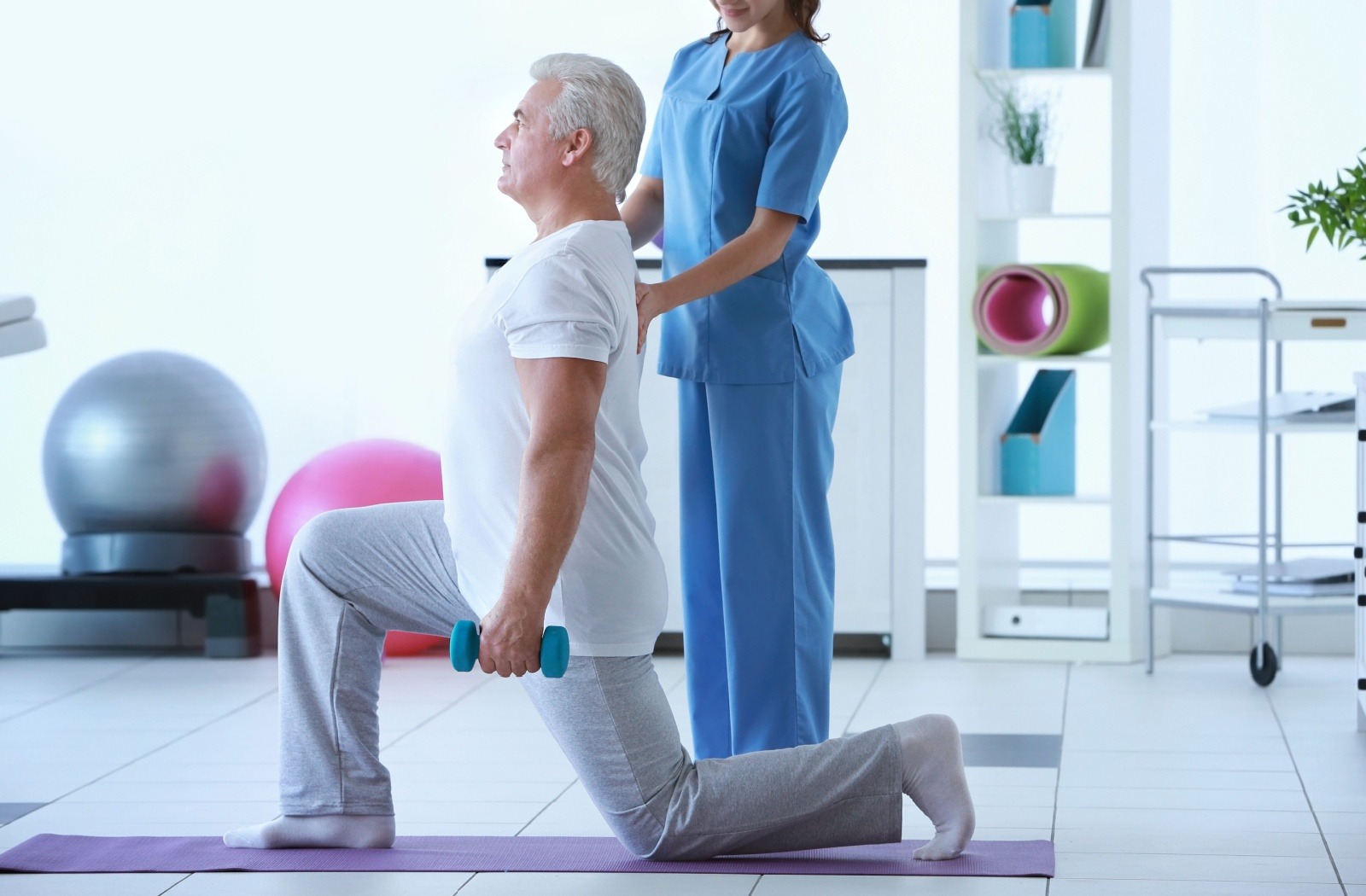
Professional associates trained in senior fitness can guide you through proper form and help you progress at a comfortable pace. They understand the unique considerations for exercising after 70 and can modify activities to match your abilities and interests.
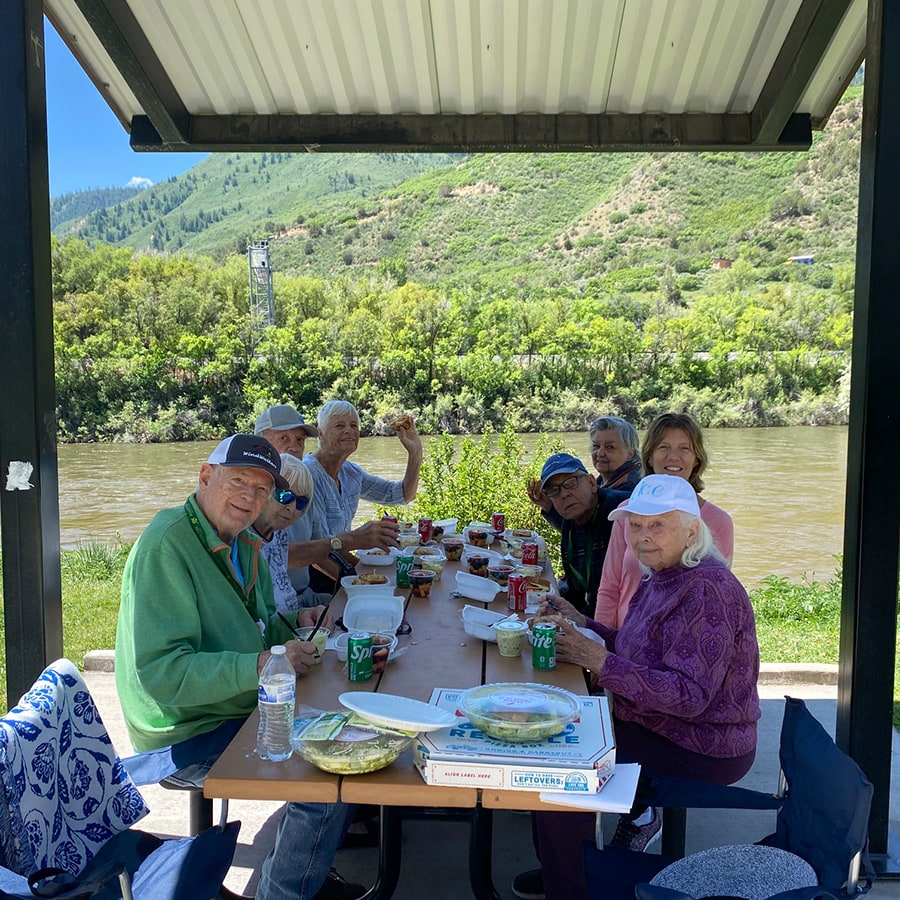
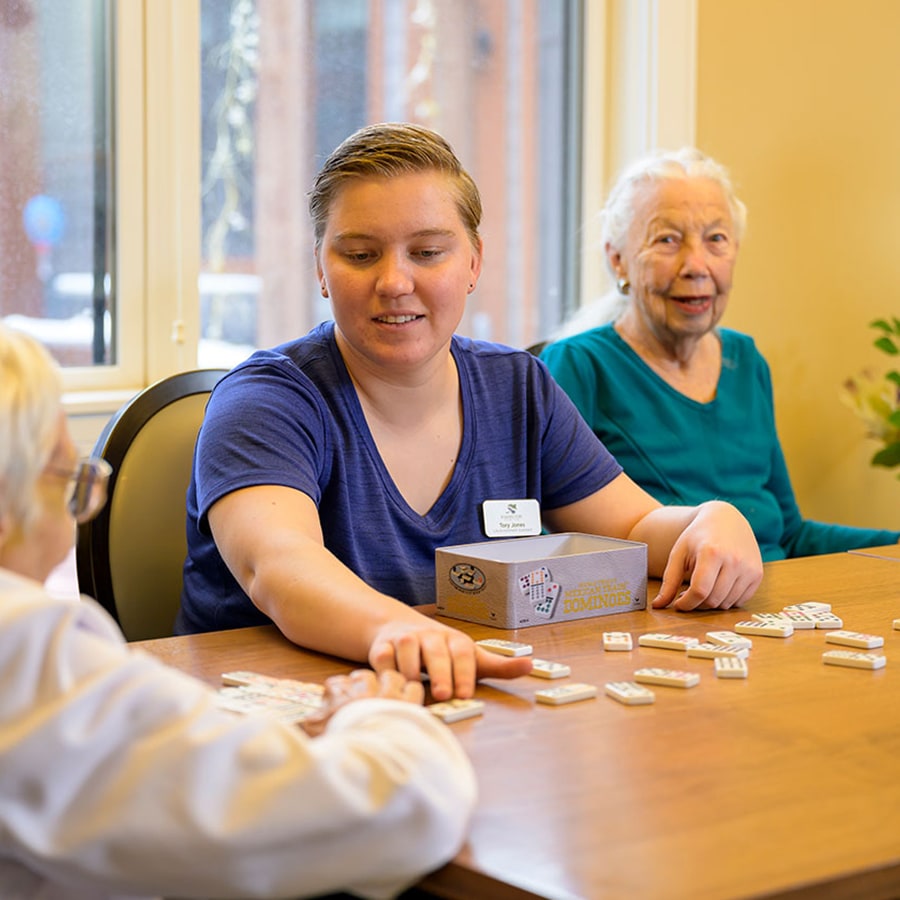
Group classes create a social aspect that makes exercise more enjoyable and sustainable. You’ll meet neighbors who share similar goals and can encourage each other along the way. This combination of professional support and peer motivation often leads to better long-term success.
Common Concerns About Late-Life Exercise
Worry About Getting Hurt
It’s natural to feel cautious about starting something new, especially when it involves physical activity. The key is to begin slowly with proper guidance and focus on correct form rather than lifting heavy weights. Your body will tell you what feels right if you pay attention to its signals.
Working with trained professionals or starting in a supervised environment can help address safety concerns while building your confidence. Research shows that low-impact exercises for seniors significantly reduce the risk of injury while providing substantial benefits.
Feeling Too Out of Shape
Everyone begins their fitness journey from a different starting point, and that’s perfectly normal. You don’t need to compare yourself to others or feel embarrassed about your current fitness level. Small improvements happen more quickly than you might expect when you’re consistent with your efforts.
Focus on celebrating small victories, whether that’s doing one more repetition than last week or feeling steadier on your feet. These positive changes build momentum and motivation to continue.
Take Your Next Step Toward Active Living
Starting strength training after 70 is one of the most beneficial decisions you can make for your health and independence. If you’re considering senior living options, look for communities that prioritize wellness and offer comprehensive fitness programs.
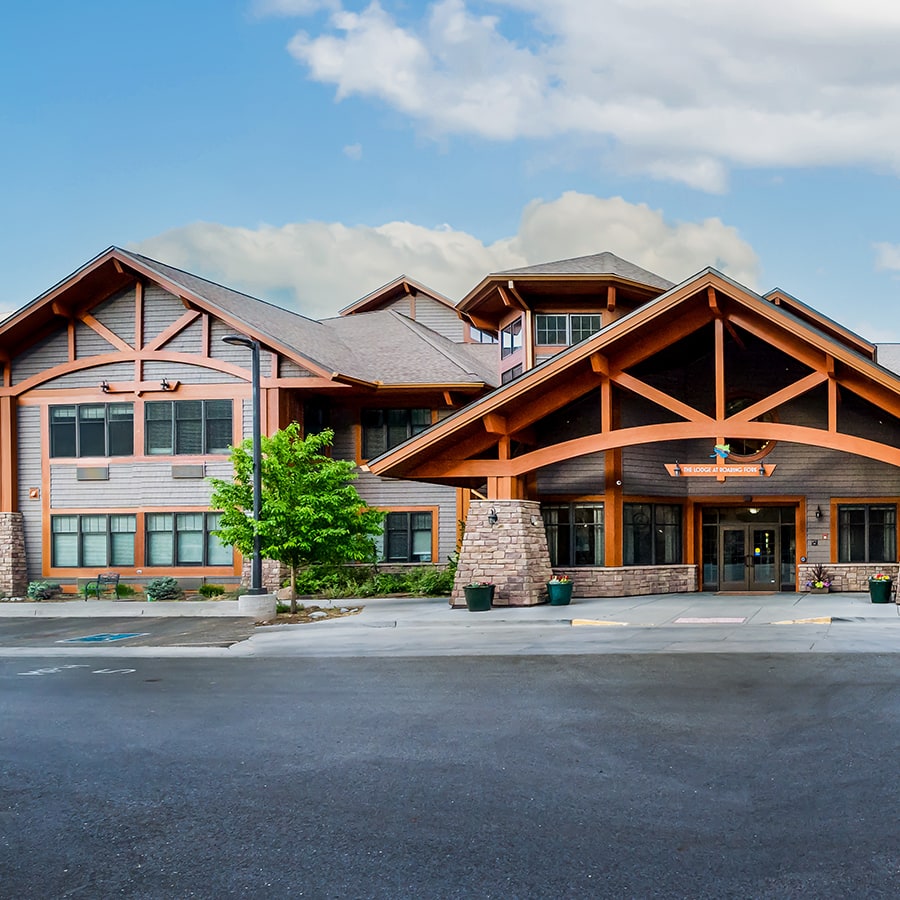
Roaring Fork Senior Living in Glenwood Springs provides supportive environments where you can pursue your fitness goals with professional guidance and like-minded neighbors. Contact us today to schedule a tour and see how our wellness programs can help you maintain an active, fulfilling lifestyle.