Key Takeaways
- Therapeutic activities help support cognitive engagement, emotional well-being, and social connection for people living with dementia.
- Music therapy can encourage communication, trigger memories, and create meaningful moments of connection.
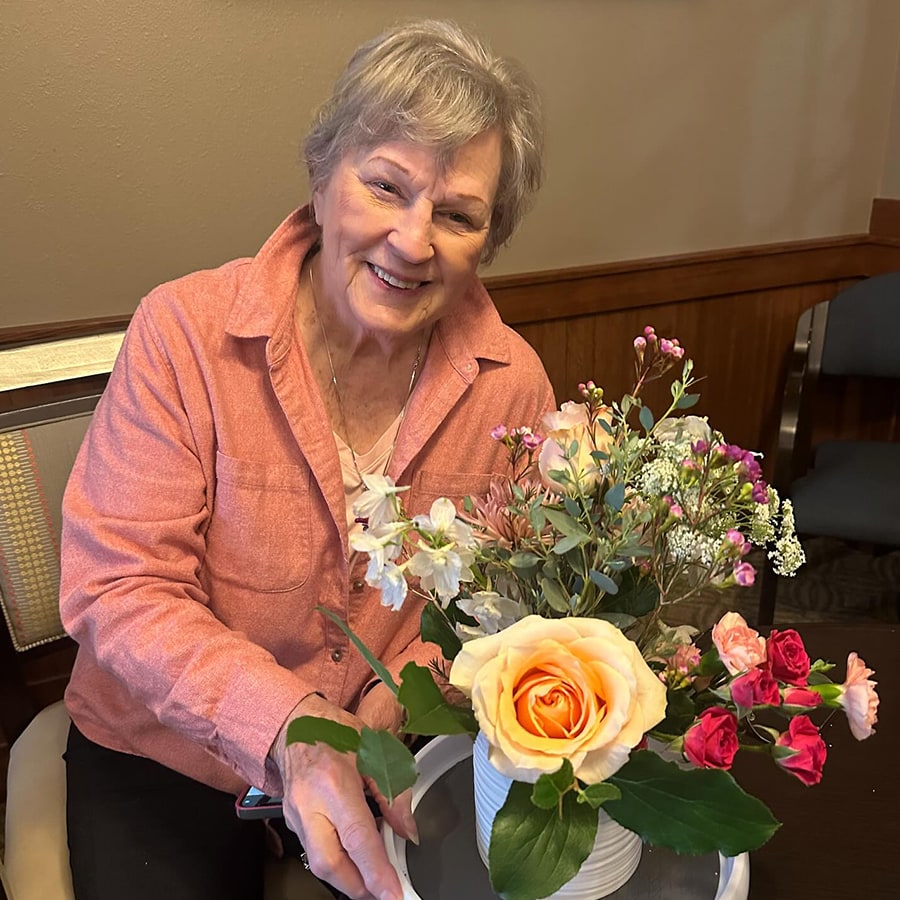
- Art projects, reminiscence activities, and sensory experiences provide opportunities for self-expression and engagement.
- Gentle exercise and movement programs support mobility, mood, and overall wellness.
- Memory care communities offer personalized activity programs, structured routines, and regular social opportunities.
- Families should look for communities that tailor activities to residents’ interests, abilities, and changing needs.
How Therapeutic Activities Support Memory Care Residents
When your loved one lives in memory care, you want to know they’re engaged and finding joy in their daily life. Activities designed for memory care residents go beyond simple entertainment—they provide meaningful ways to connect, express themselves, and maintain their sense of identity.
Therapeutic activities work by stimulating cognitive function, creating familiar routines, and encouraging social connections that help your loved one feel more comfortable and engaged. These carefully planned activities can help maintain skills, reduce anxiety, and provide opportunities for positive interactions with other residents and caregivers.
The Best Therapeutic Activities for People with Dementia
Therapeutic activities are most effective when they align with a person’s current abilities and personal interests. While every individual experiences dementia differently, many activities can be adapted to meet changing needs while encouraging participation, comfort, and engagement.
Music Therapy
Music often remains meaningful even when other forms of communication become more difficult. Familiar songs can spark memories, encourage conversation, and create moments of connection. Group sing-alongs, personalized playlists, and live performances are all popular options in memory care communities.
Art and Creative Expression
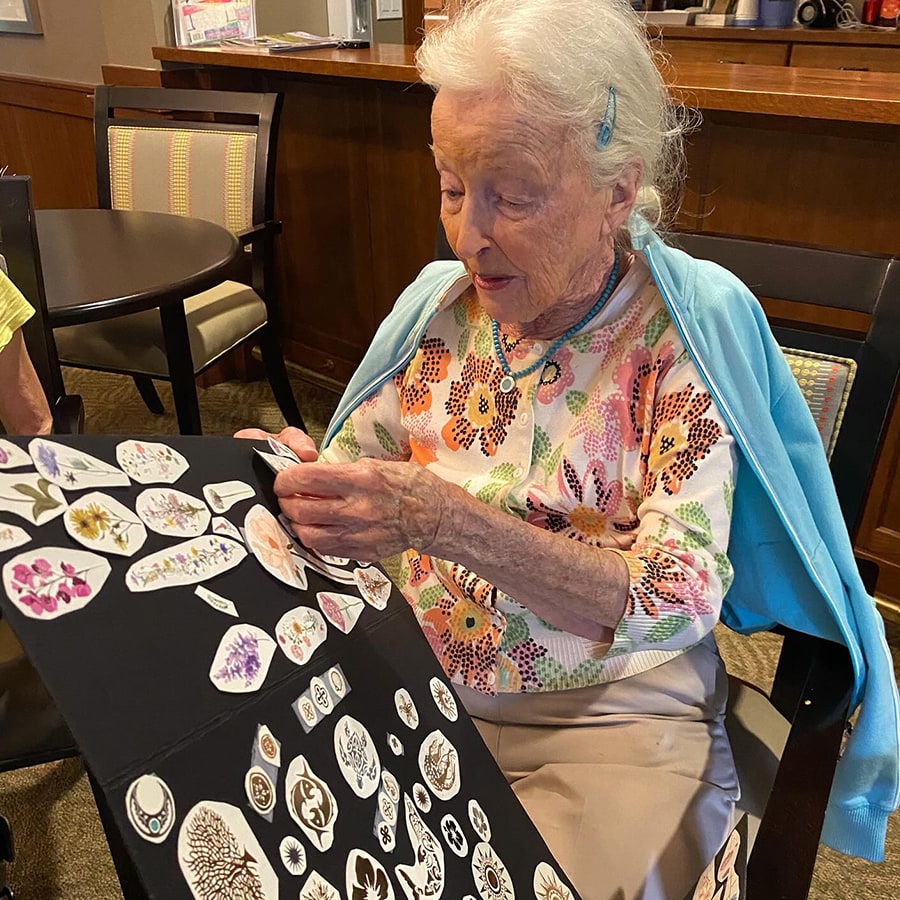
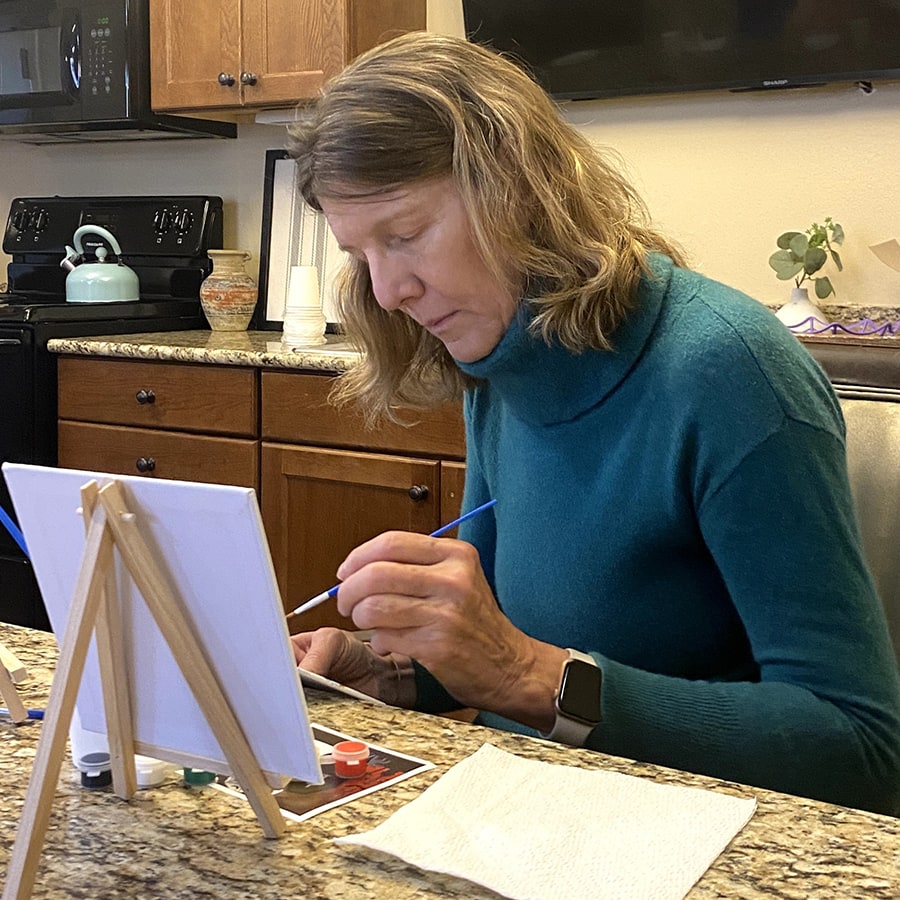
Painting, drawing, coloring, and other creative projects give residents opportunities to express themselves without relying on words. These activities encourage focus and can provide a calming outlet for emotions. The goal is participation and enjoyment rather than creating a perfect finished product.
Reminiscence Activities
Looking through photographs, discussing family traditions, or sharing stories from the past can help residents reconnect with meaningful memories. These conversations often encourage social interaction and reinforce a person’s sense of identity. Reminiscence activities can be especially valuable when built around familiar life experiences.
Gentle Physical Exercise
Regular movement supports overall wellness and can help residents maintain mobility and flexibility. Chair exercises, stretching routines, walking groups, and guided movement programs are often adapted to each resident’s abilities. Physical activity can also support mood and reduce restlessness.
Sensory Activities
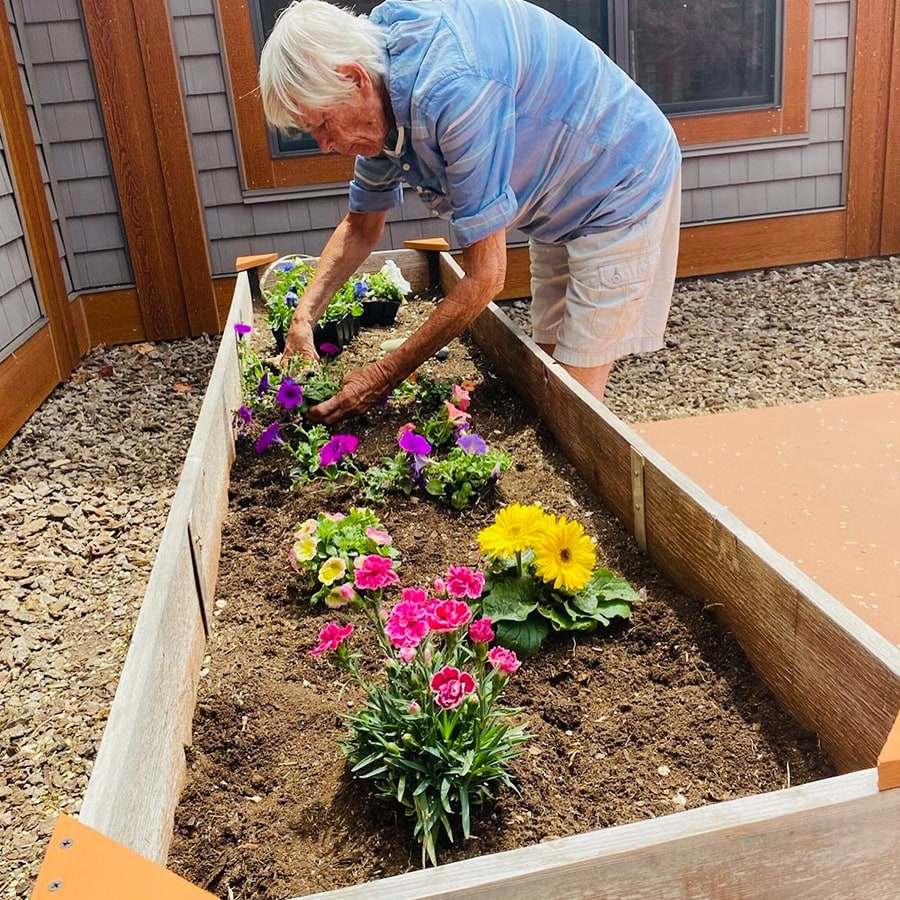
Activities that engage the senses can be both calming and stimulating. Gardening, handling different textures, aromatherapy, and listening to nature sounds provide opportunities for residents to connect with their environment. Sensory experiences can be particularly helpful during periods of anxiety or confusion.
Pet Therapy
Many people find comfort in spending time with animals. Pet therapy visits can encourage social interaction while providing companionship and emotional support. Even brief interactions with a friendly animal can create meaningful moments and brighten a resident’s day.
Familiar Household Tasks
Simple tasks such as folding towels, organizing items, or assisting with basic baking projects can feel familiar and purposeful. These activities draw on routines many people have practiced throughout their lives. Participating in everyday tasks can help residents maintain a sense of accomplishment and independence.

The Benefits of Life in Memory Care
A quality memory care community provides more than a schedule of activities. Residents benefit from a structured environment where engagement, support, and social opportunities are built into daily life. These experiences help create consistency while allowing activities to be tailored to each person’s needs.
Personalized Activity Programs
Memory care teams get to know each resident’s interests, preferences, and life history. This allows activities to be adapted to what feels familiar and meaningful for the individual. Personalized programming often leads to greater participation and enjoyment.
Consistent Daily Structure
Predictable routines can help reduce uncertainty and provide reassurance throughout the day. Scheduled meals, activities, and social opportunities create a rhythm that many people with dementia find comforting. Structure also helps residents stay engaged without feeling overwhelmed.
Opportunities for Social Connection
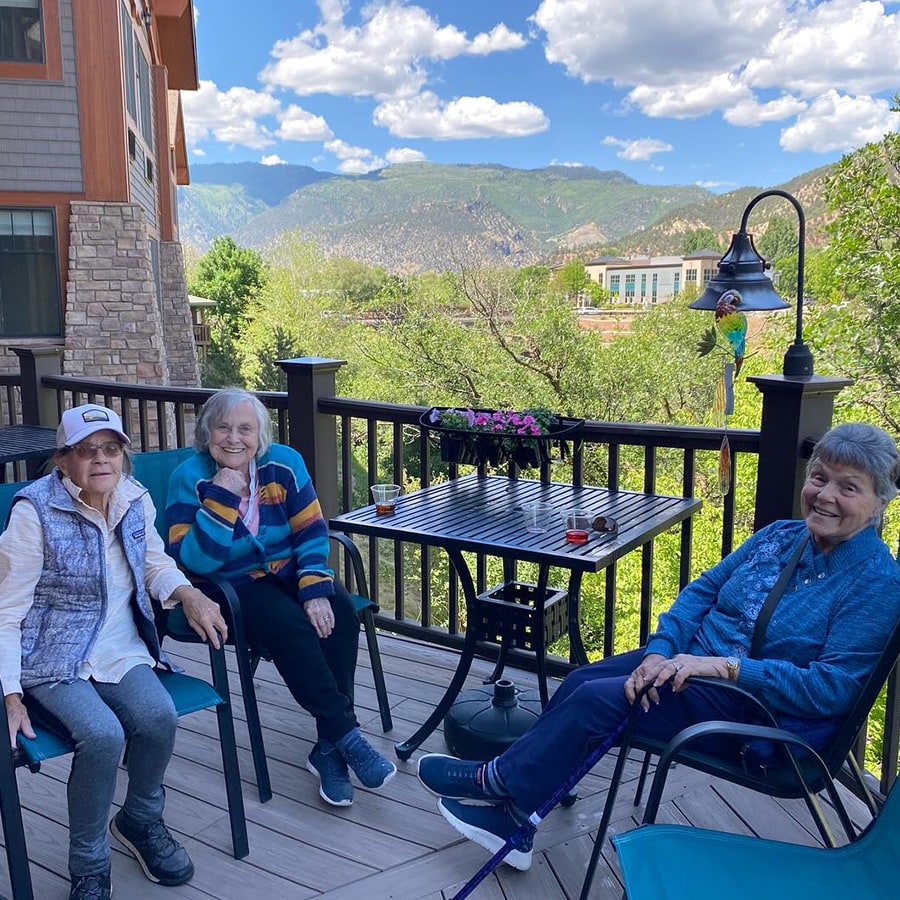
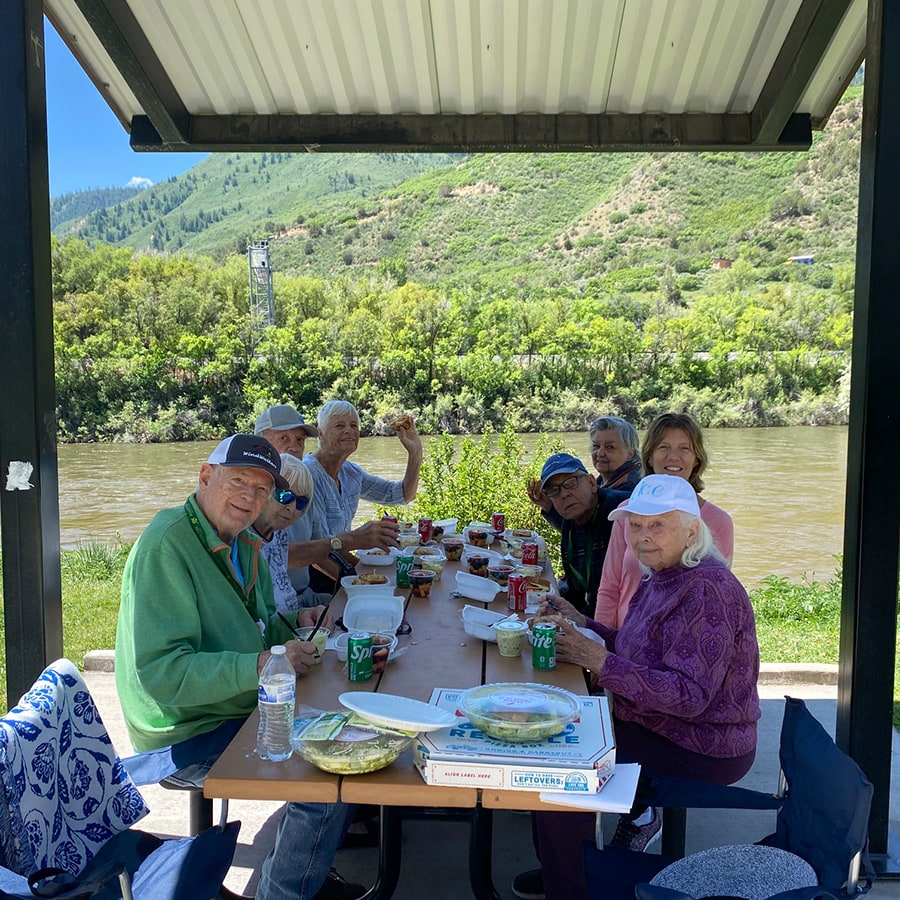
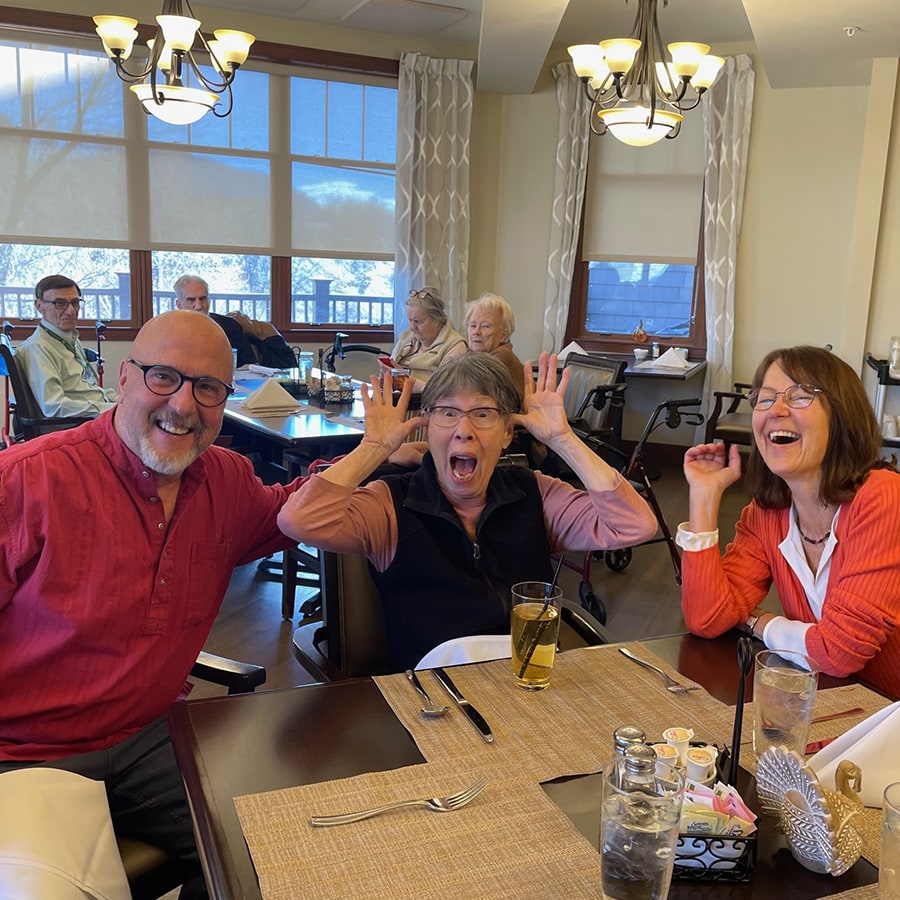
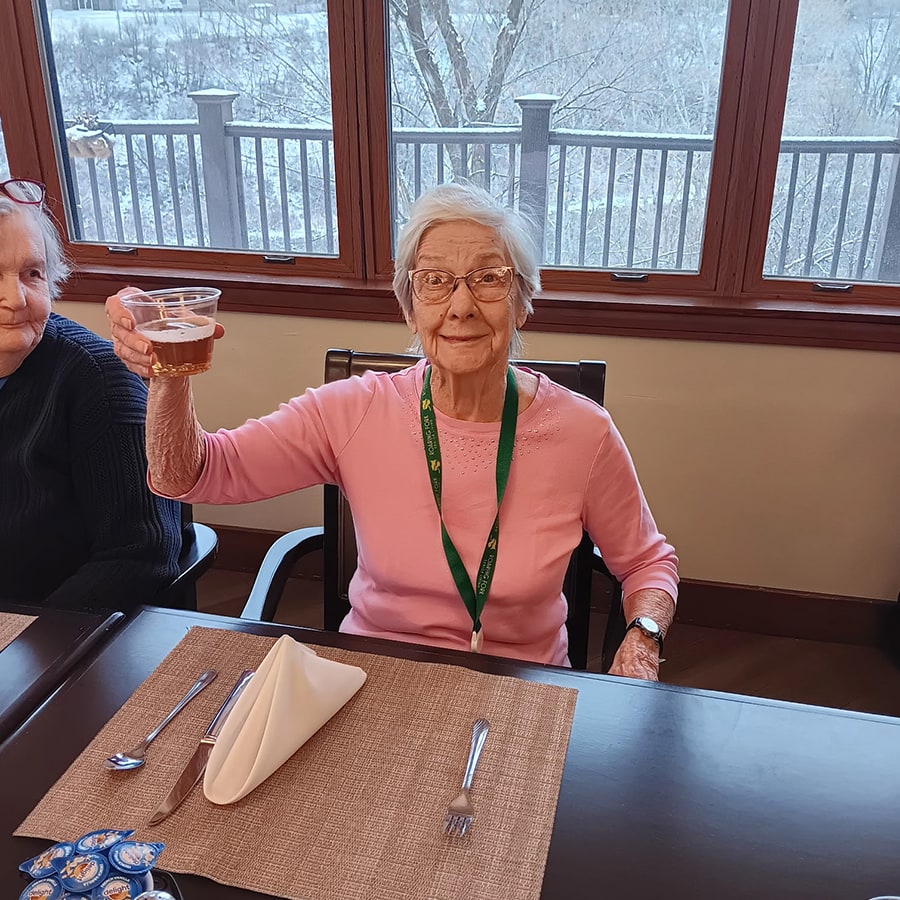
Isolation can become more common as dementia progresses. Memory care communities create regular opportunities for residents to spend time with peers, caregivers, and family members. These interactions help foster connection and a sense of belonging.
How to Choose a Memory Care Community
Finding the right memory care community involves more than reviewing floor plans or amenities. Families should look closely at how a community supports residents through daily engagement, personalized programming, and compassionate care.
When touring potential communities, consider the following:
- Ask how activity programs are tailored to individual interests and abilities.
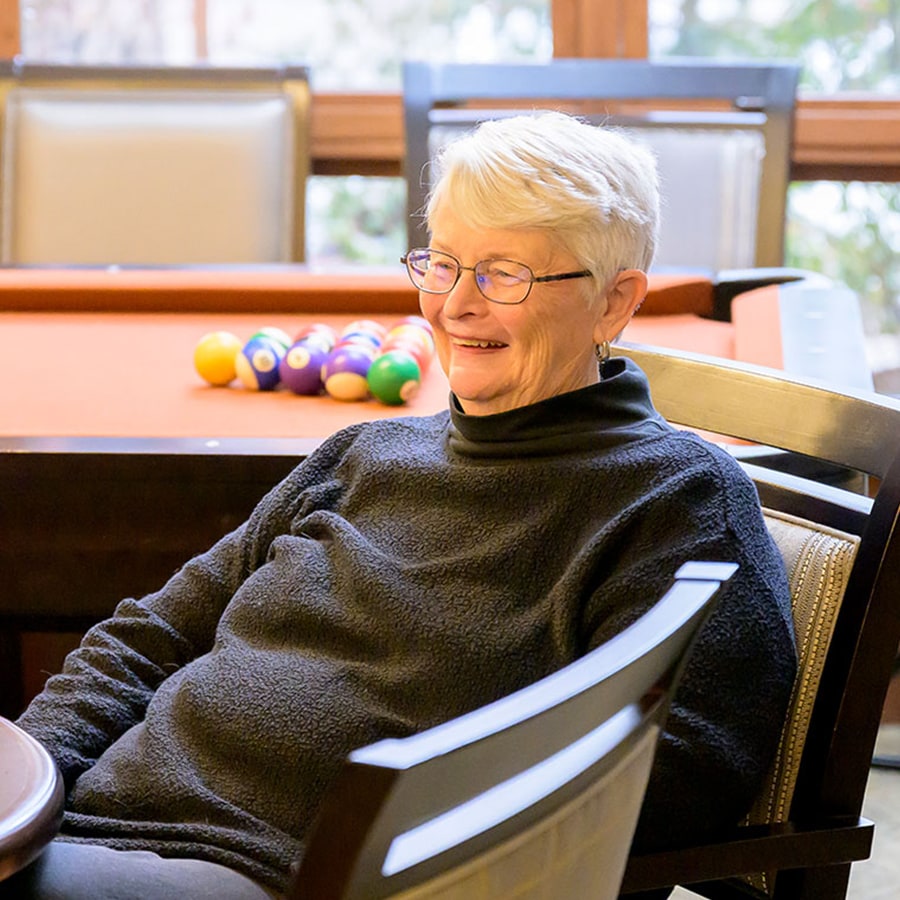
- Observe whether residents appear engaged and involved throughout the day.
- Learn how associates adapt activities as cognitive needs change.
- Ask about opportunities for social interaction and family involvement.
- Look for structured daily routines that provide consistency and comfort.
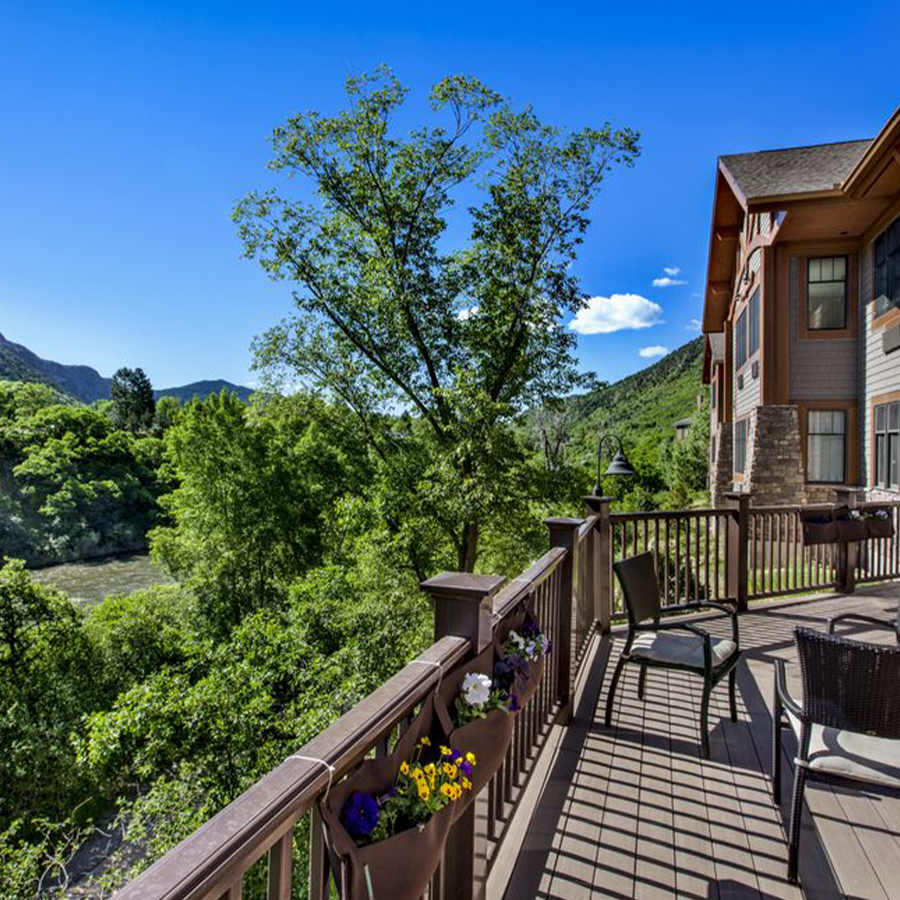
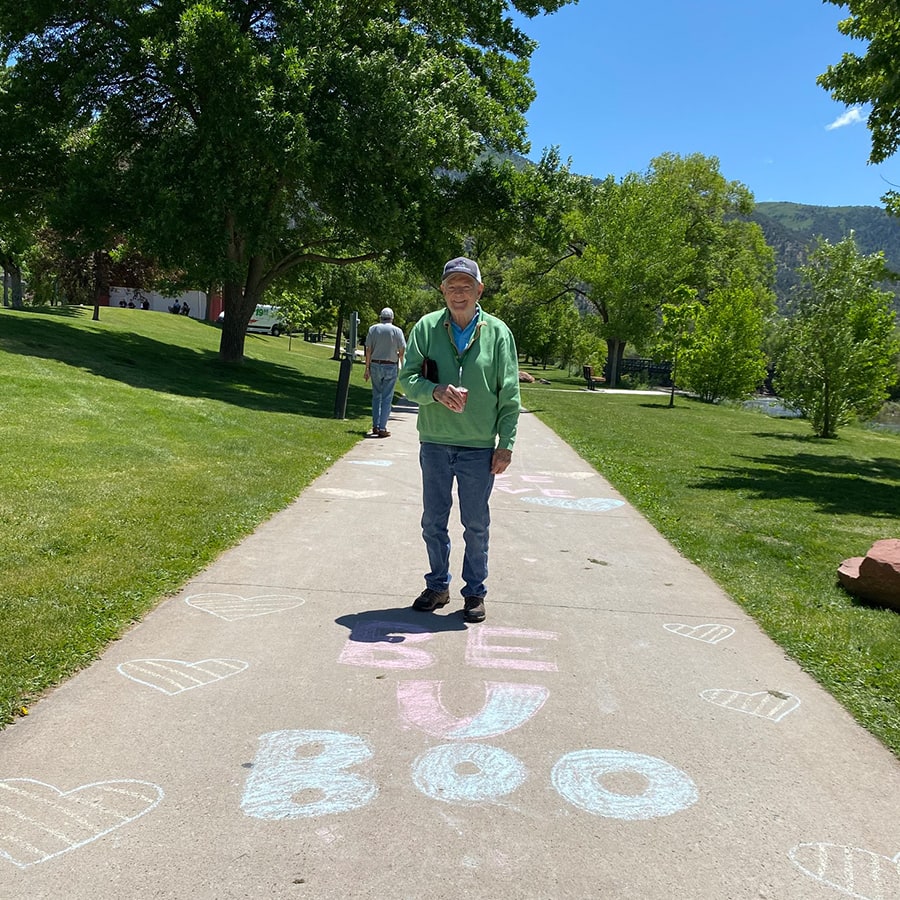
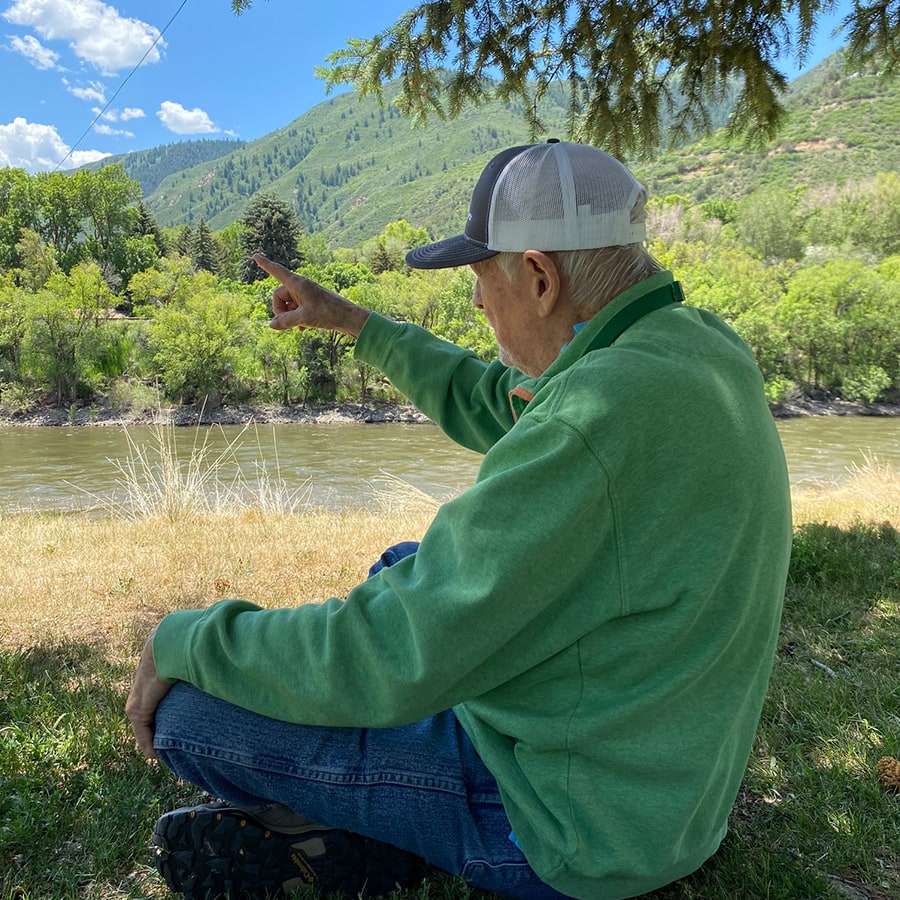
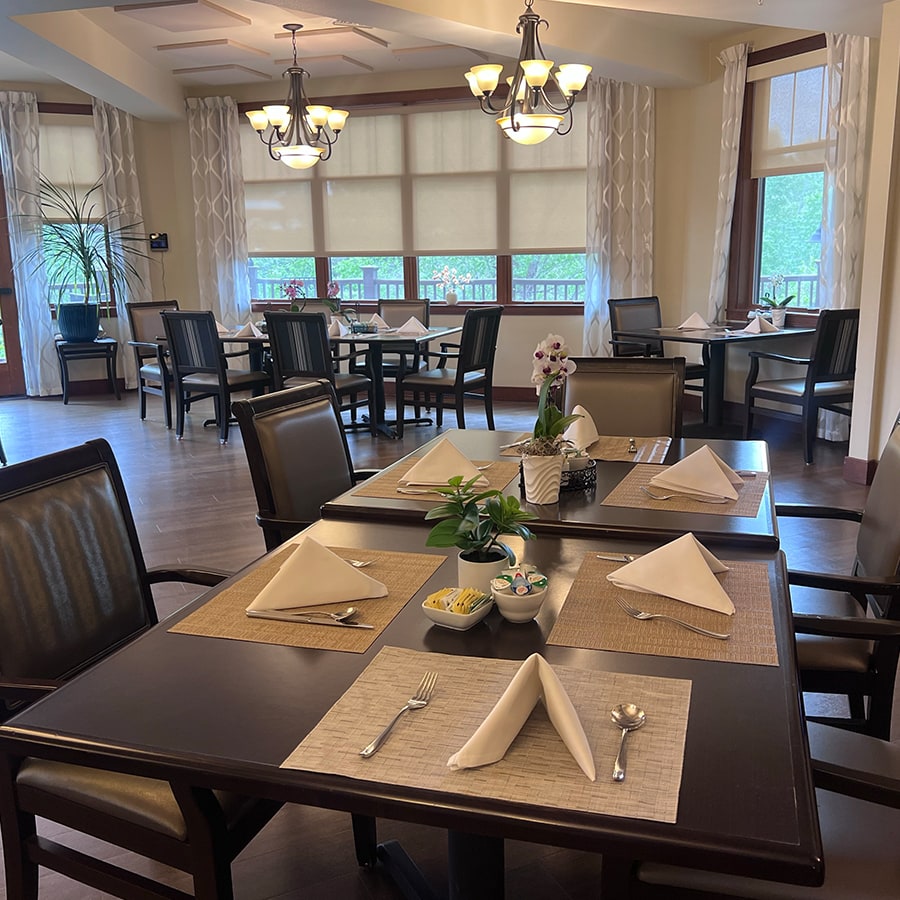
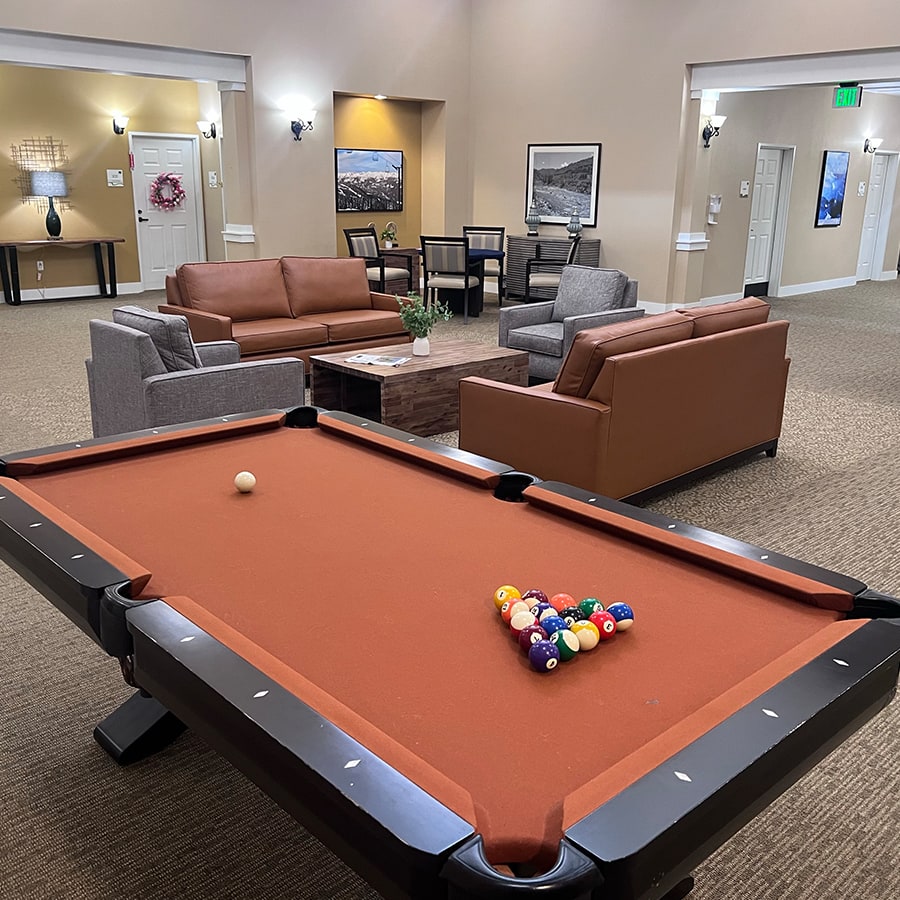
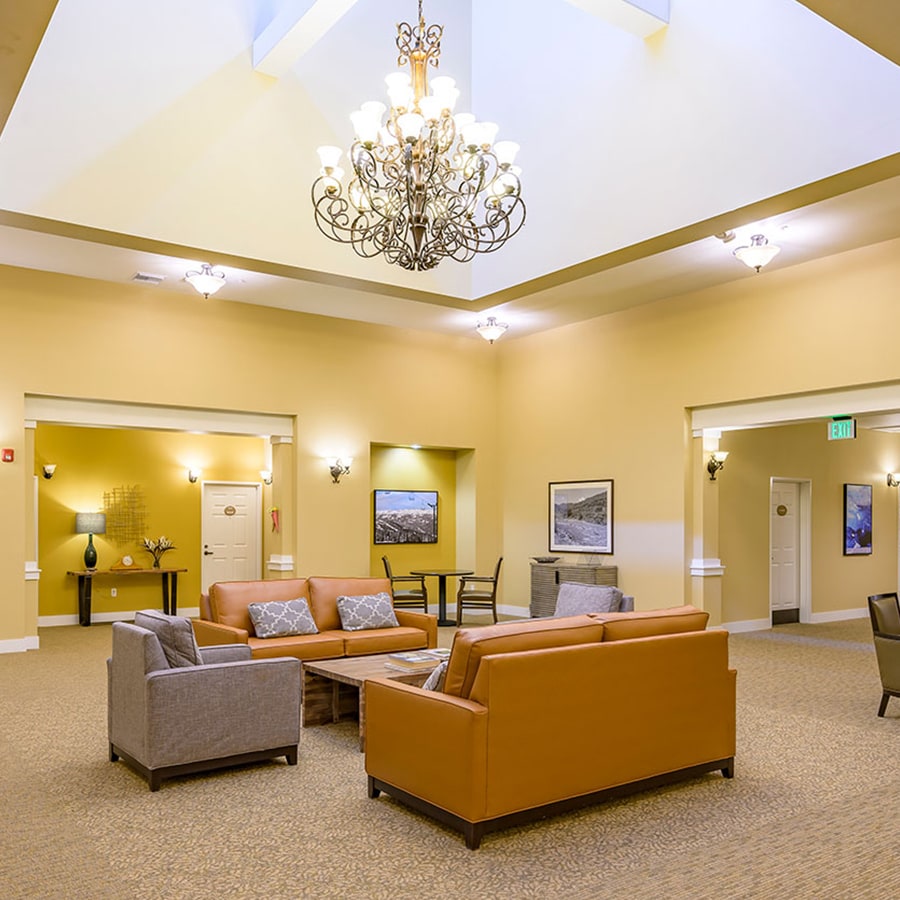
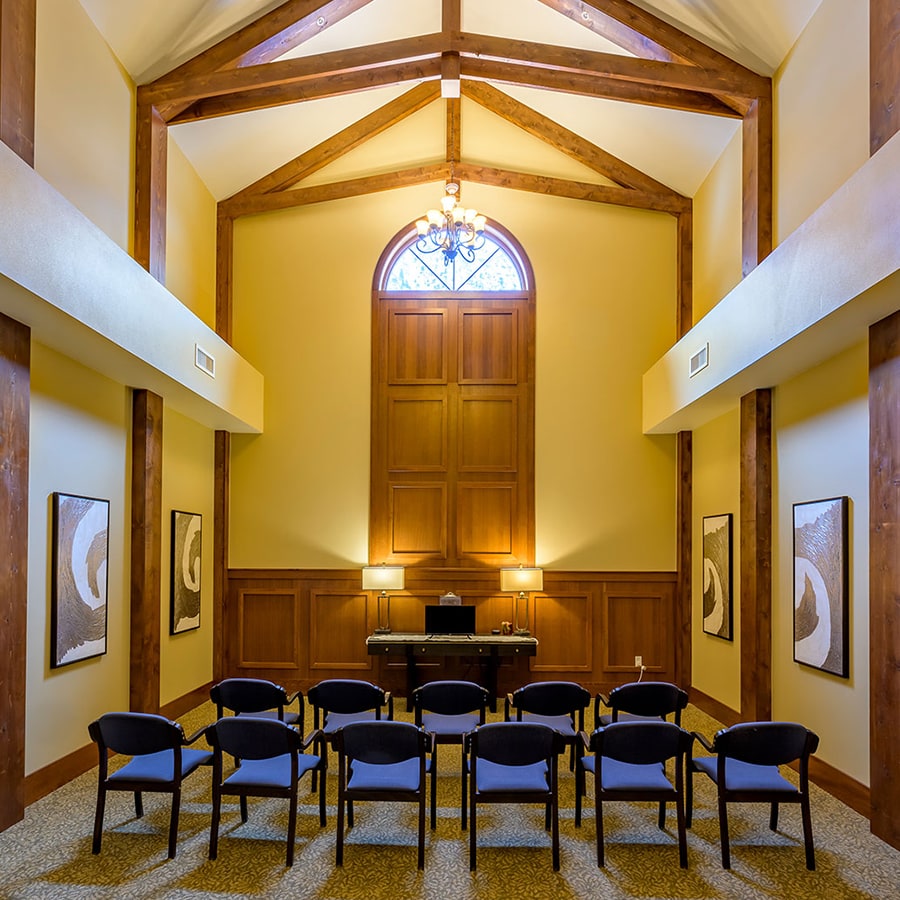
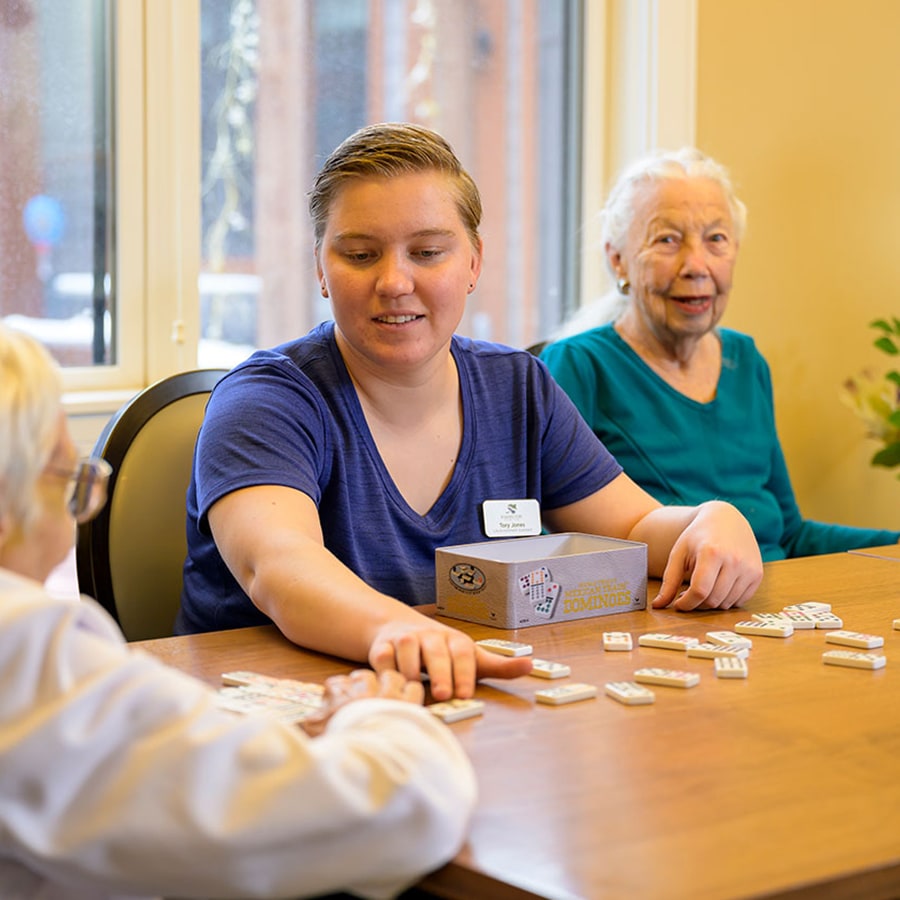
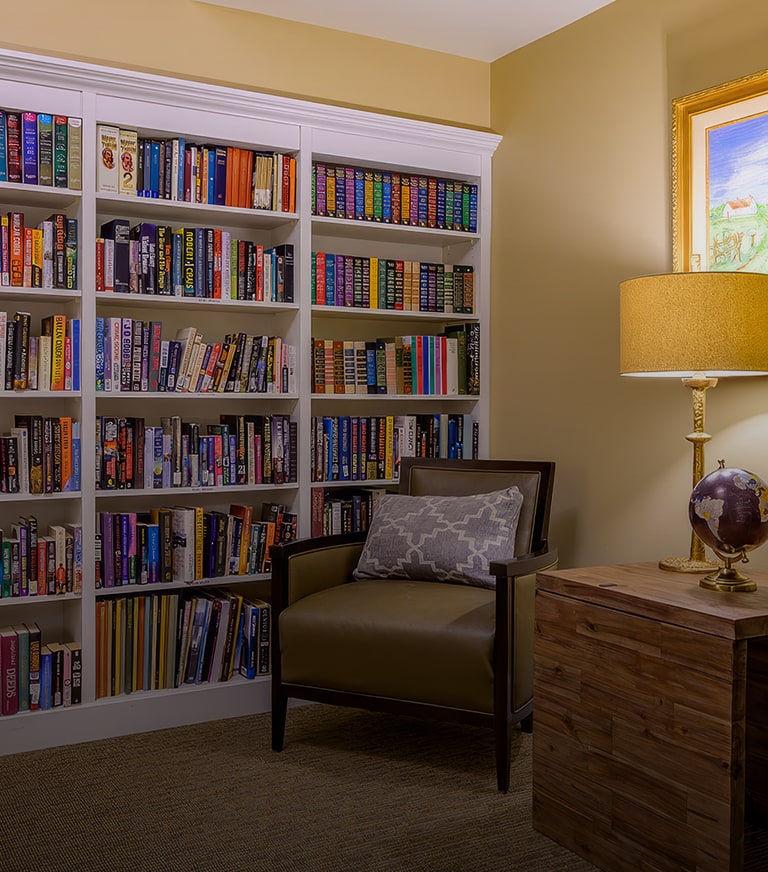
- Explore outdoor spaces, activity areas, and common gathering spaces.
- Ask how the community measures participation and resident engagement.
The right community should provide both support and opportunities for meaningful daily experiences.
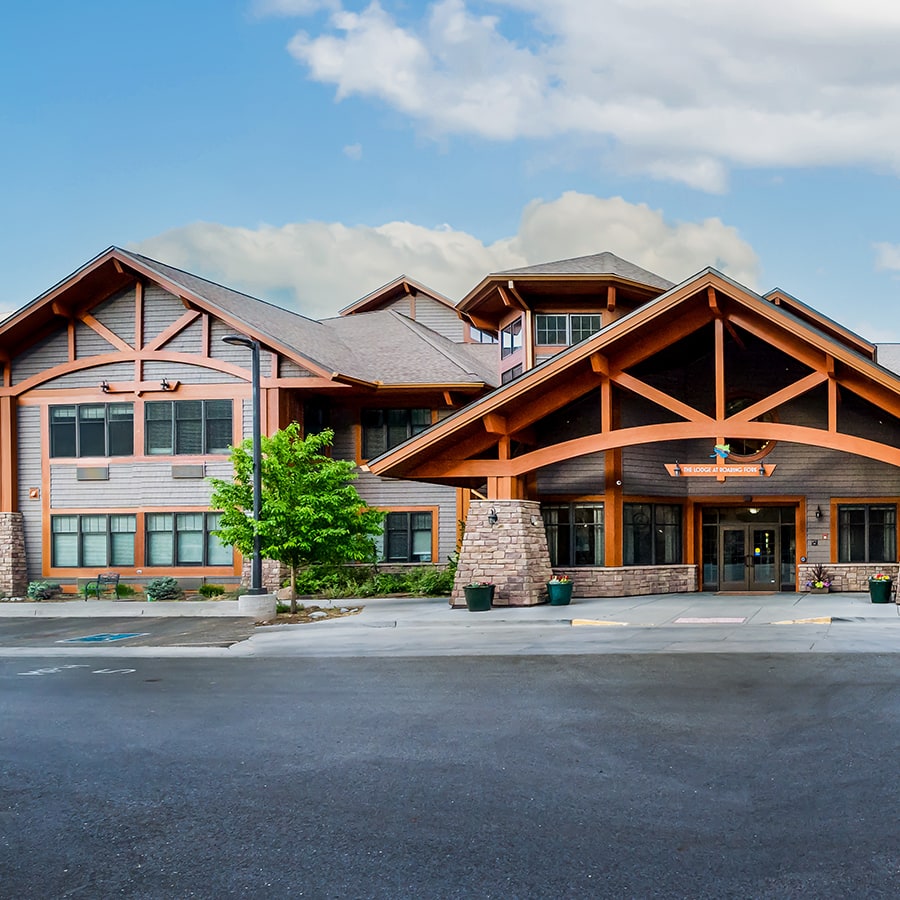
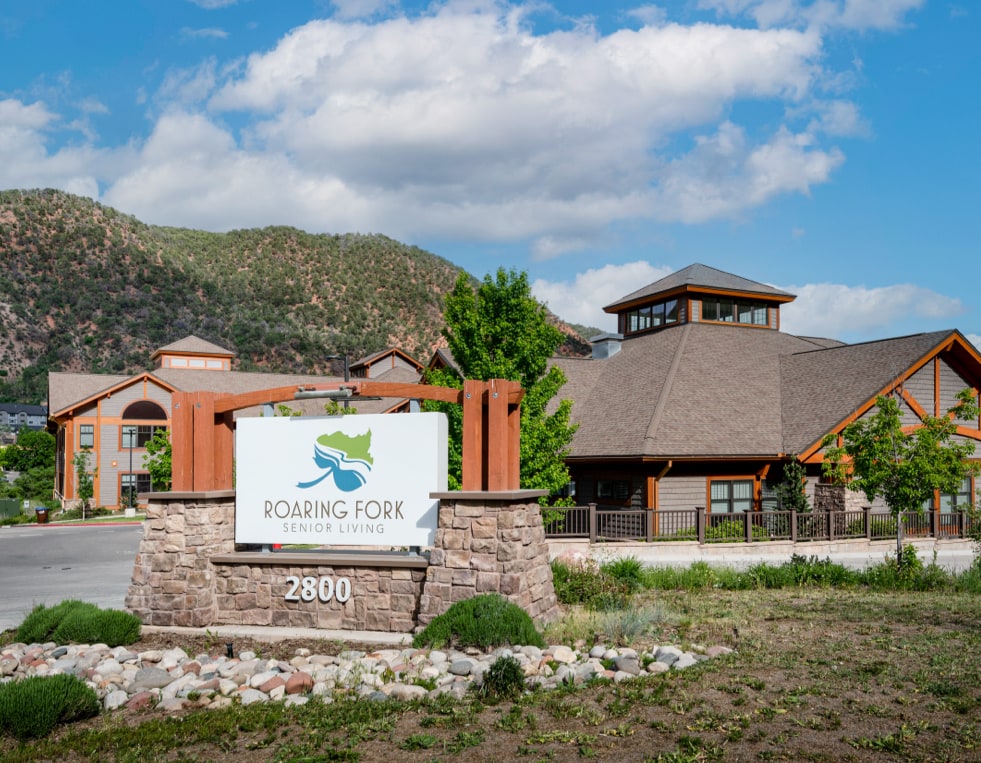
Find the Right Activities at Roaring Fork Senior Living
Therapeutic activities can play an important role in helping people with dementia stay engaged, connected, and involved in daily life. Whether through music, creative projects, physical activity, or familiar routines, meaningful experiences can help support emotional well-being and create moments of joy throughout the day.At Roaring Fork Senior Living, we work closely with families to learn about each resident’s interests, preferences, and personal history. Through our Bridge to Belonging program and personalized approach to memory care, we create opportunities for meaningful engagement that reflect the unique person behind every diagnosis. Schedule a tour with us today to learn more about memory care at Roaring Fork Senior Living.