

Dementia is often thought of as a condition affecting older adults, but it’s essential to understand that it’s not a normal part of aging. While the risk of developing dementia increases with age, it can also occur in younger individuals, sometimes as early as their 30s or 40s. However, most people who are diagnosed with dementia are 65 and above. Recognizing the stages of dementia and understanding when it can develop are key steps in identifying the signs and providing supportive memory care.
Key Takeaways
- Dementia is not a normal part of aging and can affect younger individuals, sometimes as early as their 30s or 40s.
- Understanding the stages of dementia is critical for recognizing symptoms and providing timely support.
- Early identification and understanding of risk factors can help manage the condition more effectively and improve the quality of life for those affected.
- Providing compassionate care and support can make a significant difference in supporting individuals through their dementia journey.
At What Age Can Dementia Develop?
Dementia is a general term for a decline in mental ability severe enough to interfere with daily life. While it’s most common in adults over 65, it’s not exclusive to old age.
- Early-onset dementia (or younger-onset dementia) refers to dementia that begins before the age of 65. It can affect people in their 50s, 40s, and even 30s. Although less common, it presents unique challenges as it often impacts individuals who are still working, raising families, and leading active lives.
- Late-onset dementia is the more common form, developing in individuals aged 65 and older. The likelihood of developing dementia nearly doubles every five years after age 65.
It’s important to remember that dementia is caused by damage to brain cells, not by age itself. Various diseases, such as Alzheimer’s, can cause this damage.
How Does Dementia Progress?
Dementia progresses over time, and while each person’s experience is unique, the journey can generally be divided into 3 stages.
Early Stage
In the early stage, a person can still function independently. They may continue to drive, work, and participate in social activities. However, they might feel as if they are having lapses in their thinking. Common difficulties include:
- Coming up with the right word or name.
- Difficulty performing tasks in social or work settings.
- Forgetting material that was just read.
- Losing or misplacing a valuable object.
- Increasing trouble with planning or organizing.
These challenges, while mild at this stage, can be frustrating and may require patience and understanding from friends and family. Early recognition and support are crucial in helping individuals adapt to these changes.
Middle Stage
The middle stage is typically the longest and can last for many years. As dementia progresses, the person will require a greater level of care. You may notice:
- Forgetfulness of events or personal history.
- Feeling moody or withdrawn, especially in socially or mentally challenging situations.
- Confusion about where they are or what day it is.
- There is a need for help choosing proper clothing for the season.
- Changes in sleep patterns.
- An increased risk of wandering and becoming lost.
Caregivers should remain patient and provide consistent support during this stage, focusing on creating a safe and comfortable environment. Understanding these changes can help individuals adapt to the evolving needs of people living with dementia.
Late Stage
In the final stage of the disease, individuals lose the ability to respond to their environment, carry on a conversation, and eventually control movement. They need extensive, around-the-clock assistance with daily personal care. During this stage, individuals may:
- Have difficulty communicating.
- Experience changes in physical abilities, such as walking, sitting, and swallowing.
- Become vulnerable to infections, especially pneumonia.
Providing compassionate care and maintaining a safe, supportive environment are crucial during this stage to ensure the individual’s comfort and dignity. Families and caregivers should seek support and resources to help manage the challenges of this phase.
Can You Reduce Your Risk of Dementia?

While there’s no sure way to prevent dementia, research suggests that a healthy lifestyle can help reduce your risk. Engaging in the following habits can support brain health:
- Healthy Diet: Eating a balanced diet rich in fruits, vegetables, and omega-3 fatty acids can be beneficial.
- Mental Stimulation: Keep your brain active with puzzles, reading, or learning a new skill.
- Social Engagement: Maintaining social activity can support brain health.
- Managing Cardiovascular Health: Controlling high blood pressure, cholesterol, and diabetes is crucial.
By incorporating these habits into your daily routine, you can help protect and enhance your brain health over time. Small, consistent changes can lead to significant long-term benefits for both your cognitive and overall well-being.
How Can You Support a Loved One Living with Dementia?
Receiving a dementia diagnosis can be an emotional and challenging experience for the entire family. Providing compassionate support is key. Create a nurturing environment where your loved one feels affirmed and valued for who they are beyond their disease. Our unique approach, called Touchpoints, focuses on creating this exact environment, empowering each person every day.
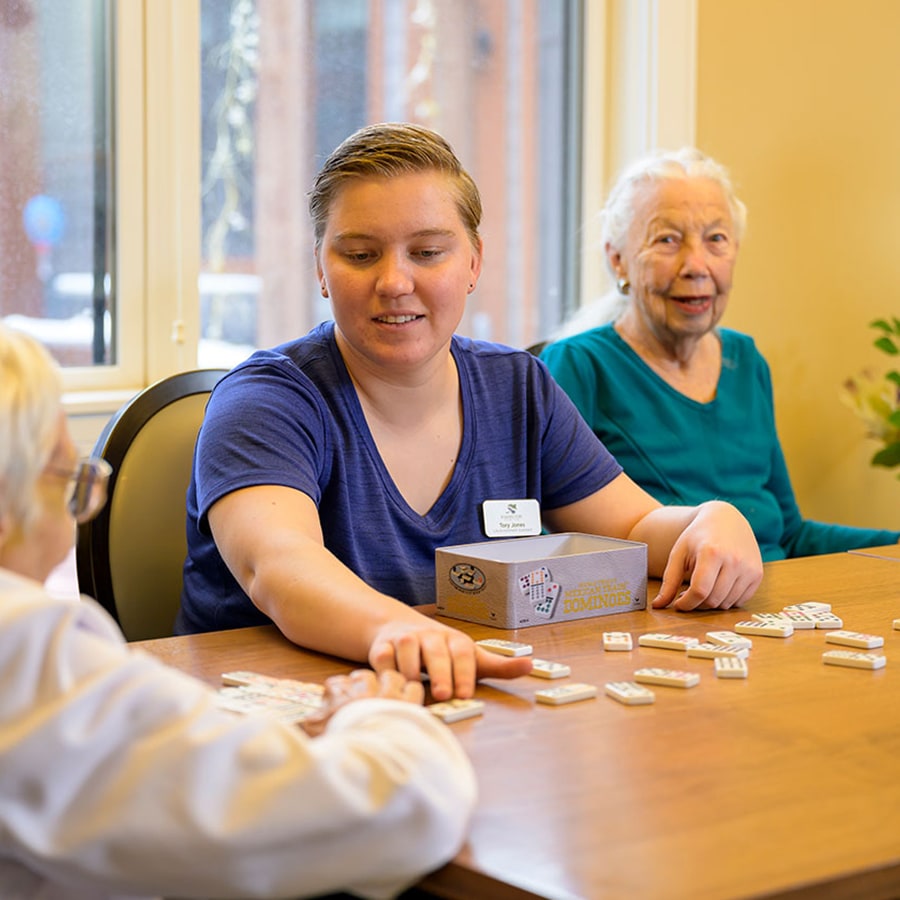
As dementia progresses, the need for specialized memory care often becomes apparent. If you find that your loved one requires more support than can be provided at home, consider memory care. These communities offer a safe, structured environment with trained associates who can provide personalized care, from assistance with daily tasks to engaging activities that stimulate the mind.
Find Compassionate Care at Roaring Fork Senior Living
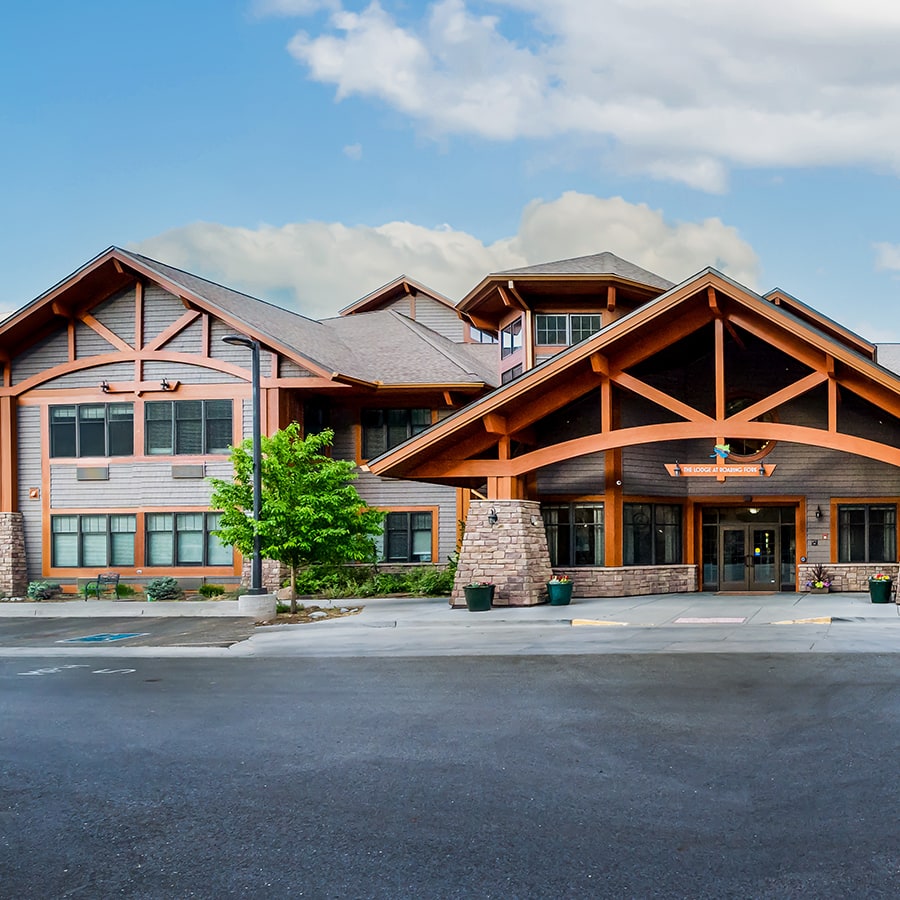
Facing a dementia diagnosis can feel overwhelming, but you don’t have to do it alone. At Roaring Fork Senior Living, we provide compassionate, personalized care for seniors living with every stage of dementia. Our dedicated team is trained to support each resident with respect, understanding, and dignity, creating a safe and nurturing environment where they can thrive. Whether your loved one is in the early stages of memory loss or requires more advanced care, we’re here to help. Contact us today to learn more about our memory care services and how we can support your family on this journey.