

Key Takeaways
- Typical aging can include mild forgetfulness, but larger changes may suggest cognitive decline.
- Repeating questions, getting lost on familiar routes, or poor judgment are signs to watch for.
- A doctor can help identify what’s behind memory changes and rule out treatable conditions.
- Memory care communities provide structured support for seniors living with cognitive challenges.
- Early conversations and planning can help families find the right care when it’s needed.
What Signs to Look Out For
Noticing changes in a loved one’s memory can bring up a lot of questions. Some forgetfulness is a natural part of aging, but in other cases, it may be something more. So, what are some of the early signs of memory loss in seniors? What should you watch for?
If your loved one’s memory problems affect their day-to-day life, it’s worth noting. Watch for problems such as difficulty with familiar tasks, poor judgment, and withdrawal from social activities. These are all major symptoms, and they often indicate that something is wrong.
Age-Related Forgetfulness vs. More Significant Changes
Everyone forgets things from time to time. Forgetting a name and remembering it later or misplacing keys are often part of the typical aging process. While these are common, they don’t disrupt your loved one’s daily life.
However, when changes begin to disrupt daily routines, it’s time to look closer. Consistent challenges with decision-making, self-care, or communication may signal a more significant form of cognitive decline.
What Is Typical Forgetfulness?
Usually, age-related cognitive problems involve signs such as:
- Forgetting a name but remembering it later
- Occasionally misplacing objects but finding them again
- Needing help with settings on a phone or appliance
- Making the odd mistake when balancing a checkbook
These are entirely normal, and they shouldn’t cause concern.
When Changes Might Suggest Something More
Memory problems that interfere with daily life can be a sign of something more than aging. If challenges start to repeat or grow more disruptive, it may be time to talk with a doctor. You can recognize more serious problems by:
- Difficulty managing a budget or paying bills consistently
- Repeating the same question or forgetting appointments
- Trouble completing familiar tasks like driving a common route
- Struggling to hold or follow conversations
- Showing poor judgment around money or personal care
These shifts can be gradual, but over time, they affect a person’s ability to live independently.
10 Potential Signs of Memory Loss
If you’ve noticed changes in a loved one, it may help to look for common patterns. These signs are often early indicators of memory problems or cognitive changes.
- Forgetting recent events, repeating questions, and relying on reminders.
- Difficulty following familiar instructions, managing bills, or focusing on tasks.
- Getting lost on a well-known route or forgetting steps in a regular routine.
- Losing track of dates or not remembering where they are.
- Struggles with depth perception, balance, or reading.
- Pausing mid-sentence, using incorrect words, or forgetting familiar terms.
- Placing items in strange locations and being unable to find them again.
- Withdrawing from hygiene routines or mishandling money.
- Avoiding hobbies, conversations, or group activities due to confusion.
- Growing fearful, suspicious, anxious, or easily upset.
These don’t always mean it’s something like dementia. However, they do mean that it’s time to visit a healthcare professional for a checkup. This is the first step towards uncovering what’s causing your loved one’s memory loss.
Possible Reasons for Memory Changes in a Senior
Many medical conditions can cause memory loss or similar symptoms. And fortunately, many of these can be addressed with medical care. Some common culprits include:
- Medication side effects
- Dehydration
- Vitamin B-12 deficiency
- Thyroid issues
- Sleep disruptions like sleep apnea
- Stress, anxiety, or depression
A thorough medical evaluation can help rule out these conditions and explore treatment options.
What to Do if You’re Worried About Someone’s Memory Loss
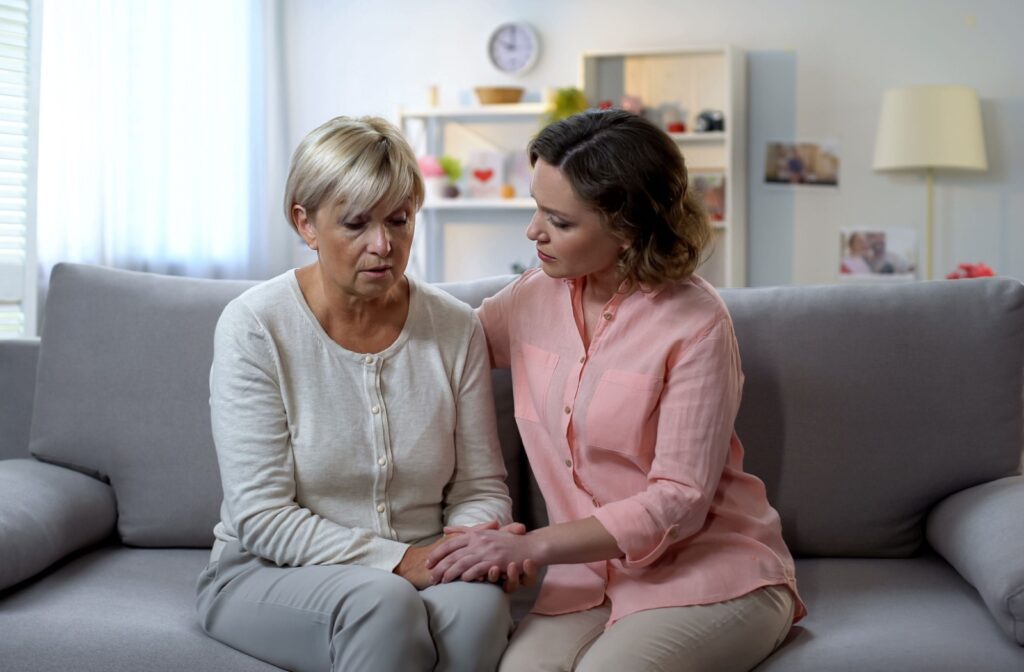
If you’ve noticed some of these signs, talking with a healthcare professional is a positive first step. Getting a diagnosis is key to your next steps.
How a Doctor Determines the Cause
A doctor will usually begin by asking when the symptoms started and how they’ve changed over time. They may also perform screenings to assess memory, language, and problem-solving skills. These evaluations can help identify the source of memory loss and rule out reversible causes.
When to Think About Memory Care
An early diagnosis also gives you and your loved one time to plan for the future. You can learn about different support systems and care options together. Depending on your loved one’s needs, this may include memory care.
Memory care is a special type of senior living. It’s entirely built around reducing the effects of cognitive decline and keeping residents safe in their daily lives. These communities offer:
- Secure layouts to reduce wandering and confusion
- Structured routines that support comfort and familiarity
- Caregivers trained in dementia-related care and communication
- Personalized wellness programs and meaningful activities
With the right memory care community at your family’s side, your loved one can thrive.
How to Take the Next Steps for Your Family
Observing changes in a loved one’s memory is the first step toward helping them. By being proactive, you can help them get the support they need to live well. And here at Roaring Fork Senior Living, we’re ready to step in and give your loved one the care they deserve.Our team is here to answer your questions, explain care options, and offer the reassurance families deserve. We’re ready to give your loved one a true home where they can thrive every day. Schedule a tour with us today to learn more about how we can help!